

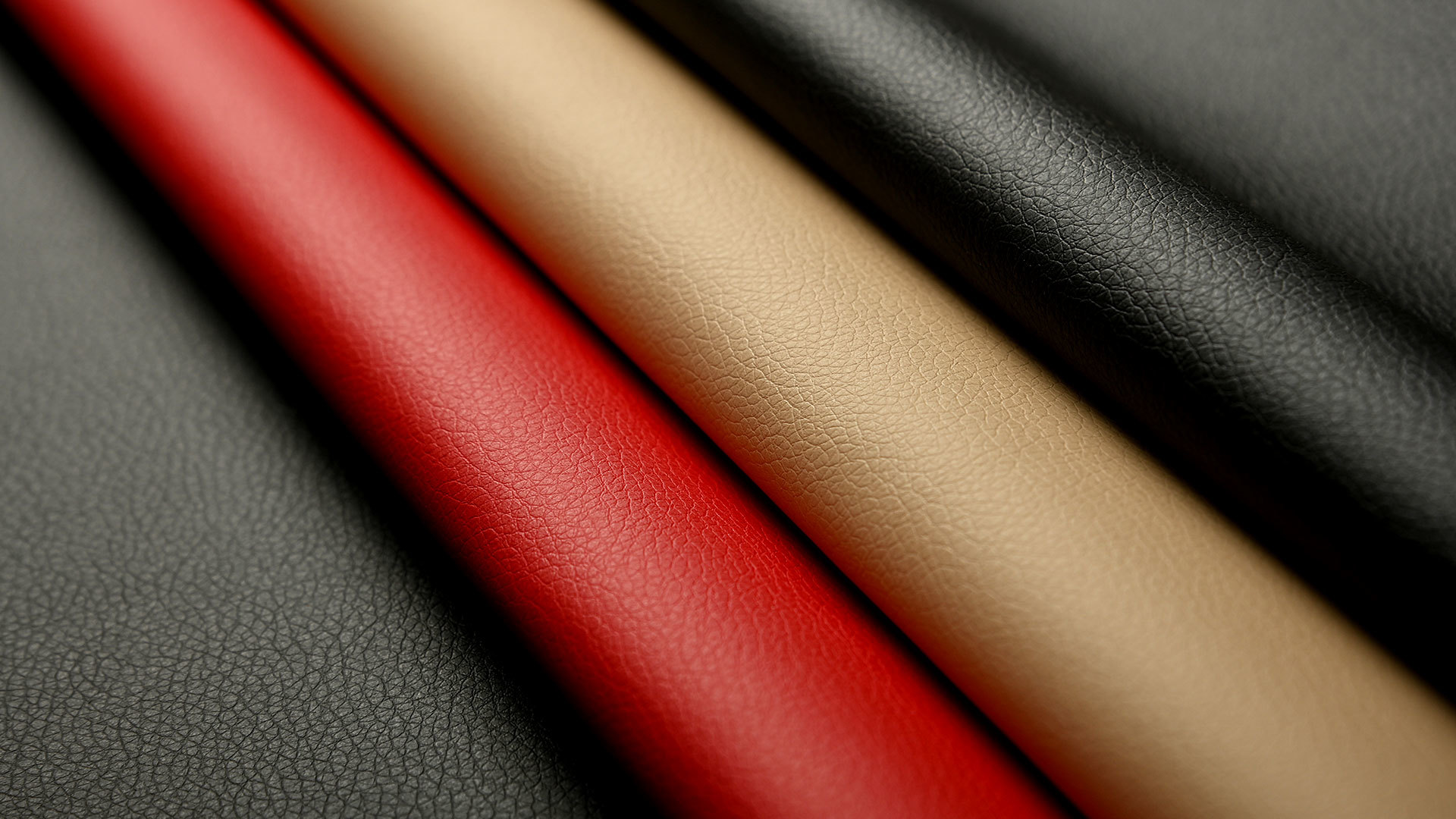
Leather Dyes Specialized Manufacturer

Ltd. is an acid dyes, direct dyes, leather dyes, feed additives and other chemical raw materials manufacturers, products are mainly used in leather, wool, tweed, silk, paper, wood, metal and other industry sectors.
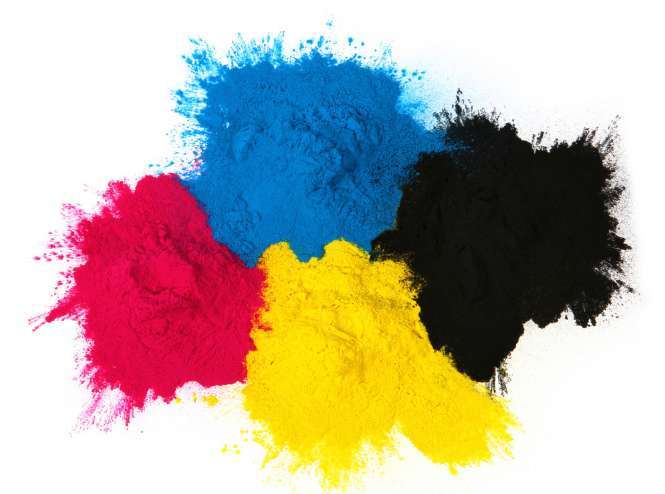
Some knowledge points about leather dyes.

2022-09-26
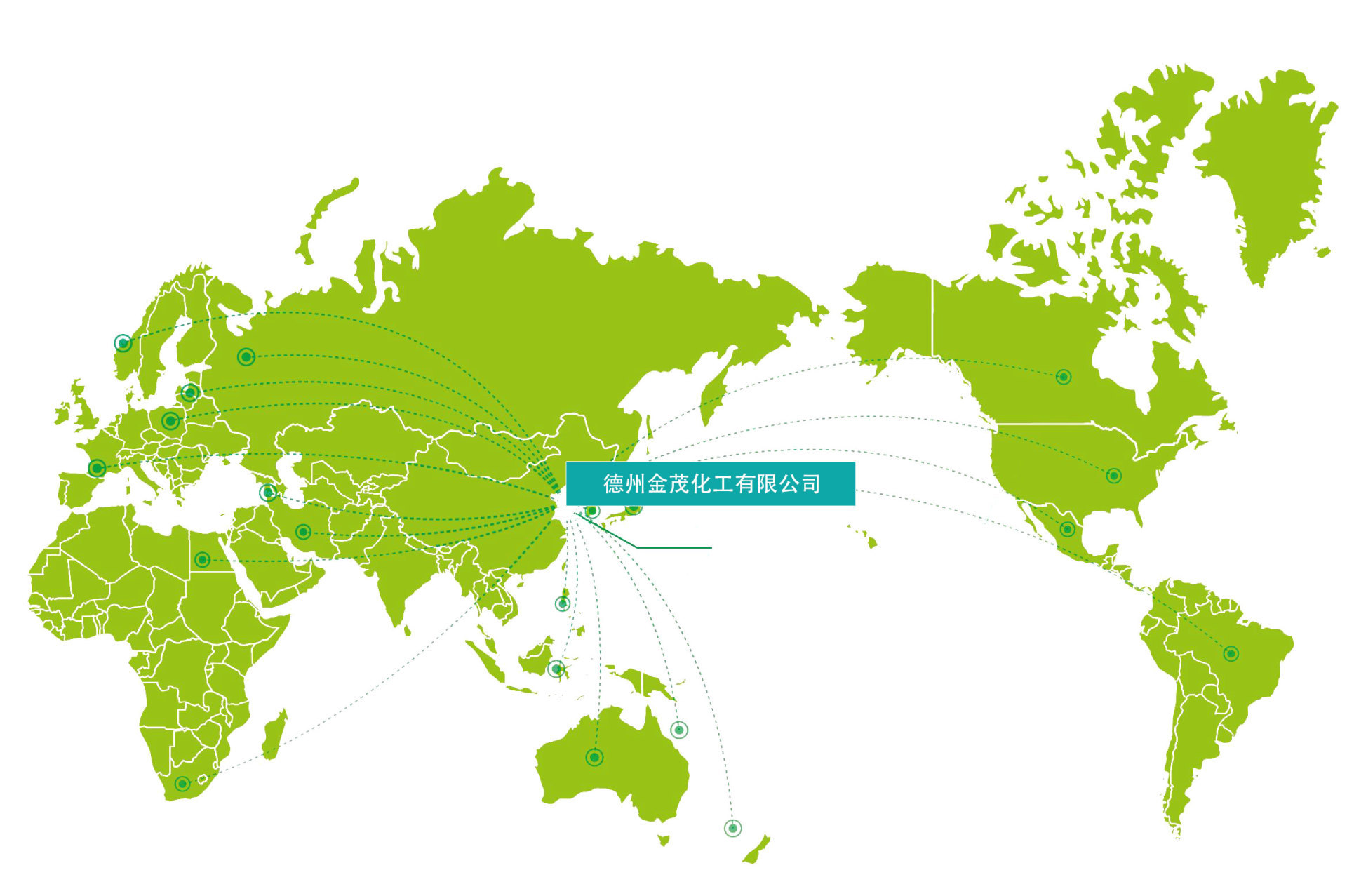
Leather dye manufacturers believe that dyeing is an important process in the production of lightweight leather. Dyeing can give leather a variety of vibrant colors, increasing the range of colors to suit various uses. Leather dyeing not only requires bright and pure colors but also demands uniformity in color and high dye fastness.

What are the components of leather dyes? How is leather dyed?

2022-09-22
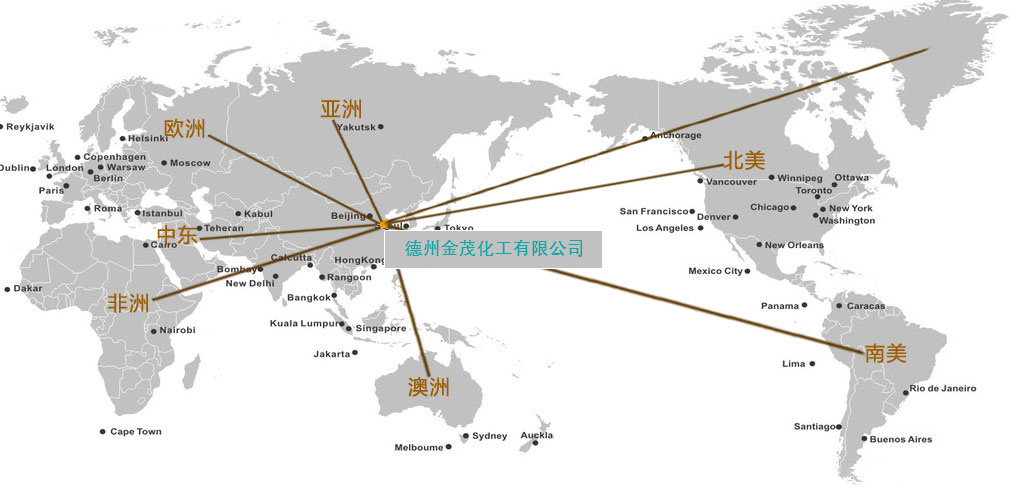
What are the components of leather dyes? How do leather dyes color? To effectively use leather dyes in leather coloring, it is crucial to first understand the components of leather dyes. Knowing the ingredients in leather dyes is very beneficial for successfully achieving coloring goals and improving dyeing processes. This article will briefly introduce the components of leather dyes.

How is leather dyeing done? How should leather dyes be selected?

2022-09-05

How is leather dyeing done? How should leather dyes be selected? Dyes are compounds that make leather transparent and hard. The physicochemical processes involved in leather dyeing, from the dye bath to adsorption on the leather surface, diffusion on the leather surface, and fixation within the leather, are closely related to the type of leather dye, the type of leather, and the neutrality of the leather.

How is leather dyeing carried out? What factors affect it?

2022-08-17

How is leather dyeing done? What factors affect it? The method for dyeing leather with dyes is as follows: 1. One-step dyeing method: Before dyeing with leather dyes, this method involves preparing the dye by dissolving it in hot water, stirring it evenly, adjusting the bath temperature and water volume in the drum, and adding the dye solution through the shaft hole. After sufficient time, continue with post-treatment or fixing. This method has good uniformity.

What are the advantages of leather dyeing production technology?

2022-08-08

Currently, most of the pigment-containing materials used in leather dyes and leather care in our country are anionic. After use, the surface of the leather becomes hard, like rubber, sealing the pores and reducing breathability. For example, leather can turn black, while synthetic leather does not achieve a mimicking effect after coloring. Suede and nubuck leather can only be cleaned and cannot be painted.

What is leather dye?

2022-07-27

Leather dyes are dyes that have an affinity for leather, used to color leather. They can be divided into two categories based on the type of solvent: water-insoluble dyes and water-soluble dyes. Water-insoluble dyes include: sulfide dyes that dissolve in sulfide aqueous solutions; oil-soluble dyes that dissolve in fats; and alcohol-soluble dyes that dissolve in alcohols.

Knowledge about textile dyes used for pure cotton fabrics.

2022-07-18

However, since viscose fibers are regenerated cellulose fibers, they have characteristics such as a loose structure, lower alkali resistance compared to cotton fibers, and sensitivity to acids. Therefore, dyeing with this type of dye requires differentiation in terms of processes and other aspects. Let's briefly introduce the dyeing and printing properties of commonly used dyes for kapok fabrics, and then let's learn about the knowledge of textile dyes used for pure cotton fabrics!

The Impact of Textile Dyes on Color Fastness

2022-07-07
Textile dyes are agents used for coloring fabrics. According to the properties and application methods of textile dyes, they can be classified into acid dyes, cationic dyes, direct dyes, disperse dyes, azo dyes, reactive dyes, sulfur dyes, and reductive dyes. Different textile dyes have varying affinities for fibers, and different fibers determine the need to use appropriate dyes. Now, let's explore the impact of textile dyes on color fastness!

There are several dyeing methods for textile dyes.

2022-06-30

Dyeing is generally divided into five stages: staple fiber dyeing, top dyeing, yarn dyeing, piece dyeing, and garment dyeing. Whether it is woven or knitted fabric, piece dyeing accounts for a significant proportion, while yarn dyeing is next and is often combined with other dyeing methods, presenting a rich and colorful fashion. Now, let's explore the various dyeing methods used in textile dyes!

A quick share: Understand green textile dyes in one minute.

2022-06-20

The primary function of dyes is to color items. Textile dyes are generally used for dyeing textile products and can be categorized into natural and synthetic types, with synthetic dyes gradually becoming the focus of research and use. The structure and properties of different fuels vary, so in order to open up international markets and keep pace with their development, enterprises across the country are focusing on fuel innovation and development as their main research direction. Currently, the main research directions are centered on green textile dyes and new resource fuels, with reactivity and dispersion being the primary topics of research worldwide.

How does gamma-aminobutyric acid (GABA) help children grow taller?

2022-06-06

Although 70% of height is determined by the genetic genes of the parents, the influence of postnatal conditions should not be overlooked. During the growth process, children's bodies are in a state of rapid development. At this time, if parents can intervene more, they can help their children grow taller. So, how can children grow taller, and how does gamma-aminobutyric acid (GABA) help them grow?

How to distinguish between textile auxiliaries and textile dyes?

2022-04-25

As a dye, it needs to be able to adhere a certain color to the fiber, and it should not easily fall off or change color. Dyes are usually soluble in water, and some dyes require a mordant to help them adhere to the fibers. Today, the editor will teach everyone how to distinguish between textile auxiliaries and textile dyes.
< 1234...11 >