

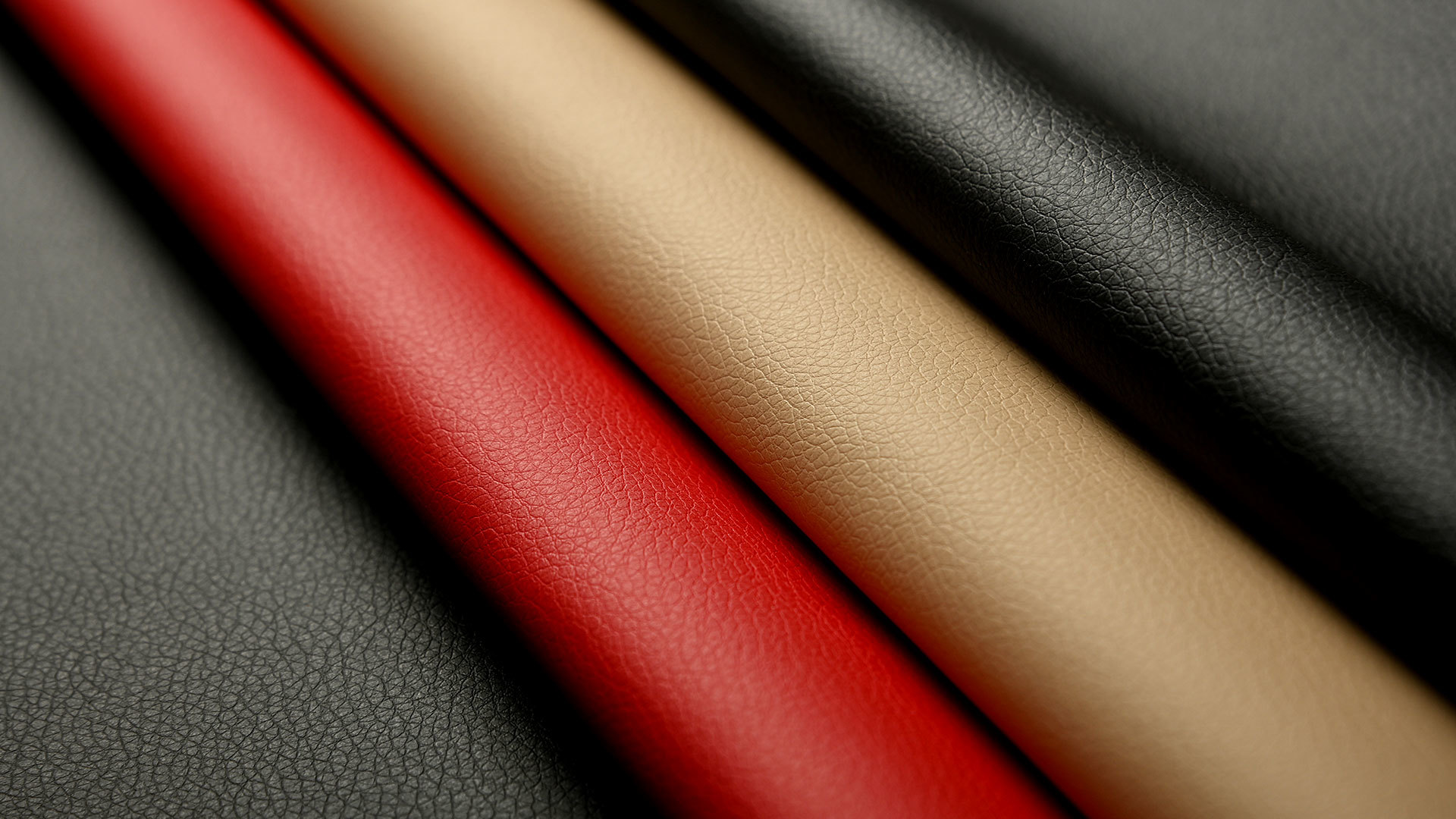
Leather Dyes Specialized Manufacturer
Ltd. is an acid dyes, direct dyes, leather dyes, feed additives and other chemical raw materials manufacturers, products are mainly used in leather, wool, tweed, silk, paper, wood, metal and other industry sectors.
![[Textile Knowledge] Methods for Improving the Solubility of Acid Dyes](https://omo-oss-image.thefastimg.com/portal-saas/pg2024111117414203440/cms/image/a24dc86d-afb3-4067-b4eb-d3114bed1eab.jpg "[Textile Knowledge] Methods for Improving the Solubility of Acid Dyes")
![[Textile Knowledge] The Relationship Between the Structure of Acid Dyes and Their Application Performance](https://omo-oss-image.thefastimg.com/portal-saas/pg2024111117414203440/cms/image/2d694822-e1c2-4118-bab3-4658ad23fa0b.jpg "[Textile Knowledge] The Relationship Between the Structure of Acid Dyes and Their Application Performance")
2020-05-21
Texas Jinmao Chemical Co., Ltd. is a manufacturer of acid dyes, leather dyes, feed additives, gamma-aminobutyric acid, additives, dyeing agents, disinfectants, and disinfectant products. The acid dyes and leather dyes are mainly used in the leather, wool, felt, silk, and papermaking industries. The gamma-aminobutyric acid products are primarily used as feed additives for pigs, poultry, cattle, and shrimp. Jinmao Chemical has introduced advanced production processes and testing equipment from international peers, focusing on the research, development, and production of acid dyes, leather dyes, weak acid dyes, neutral dyes, and direct dyes. The company offers over eighty varieties of dyes with a complete color spectrum. Leveraging its own advantages, Jinmao Chemical actively develops feed additives such as gamma-aminobutyric acid and dihydropyridine, promoting a brand innovation development path that prioritizes environmental protection and is supported by technology. The company's decision-making is based on a long-term vision, establishing standardized operating procedures and promoting work standardization and institutionalization.
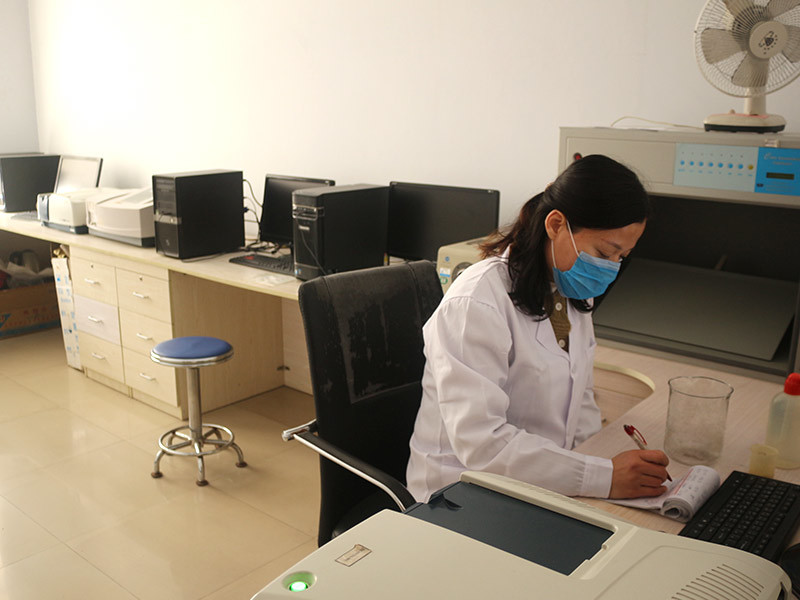
Basic Knowledge of Dyes: Methods for Dyeing with Various Dyes
2020-05-21
1. Direct Dyes:
Direct dyes have relatively good heat stability. They can be dissolved using soft water with soda ash. When preparing the dye, first mix the dye with cold soft water to form a paste, then add boiling soft water while stirring to dissolve, dilute with hot water, and after cooling, add water to reach the specified liquid volume.
2. Reactive Dyes:
This type of dye is not heat resistant and is prone to hydrolysis at high temperatures. It is advisable to prepare a paste with cold soft water, and then dissolve it in soft water at an appropriate temperature based on the hydrolysis stability of the specific dye. Dilute with heated soft water, and after cooling, add soft water to reach the specified liquid volume.
Low-temperature type (X type): Use cold water or water at 30-35°C (basically phased out).
High-temperature type (K type, HE type, etc.): Use hot water at 70-80°C.
Medium-temperature type (KN, M type): Use hot water at 60-70°C.
For dyes with low solubility, use hot water at 90°C.
3. Reducing Dyes:
The dissolution process of reducing dyes is a reduction reaction. When dissolving, the temperature should be determined based on the reduction conditions of the reducing agent used. For example, the commonly used reducing agent for reducing dyes is sodium hydrosulfite, and the optimal temperature for use in solution is 60°C; temperatures that are too high can lead to significant decomposition of the reducing agent.
(1) Full bath method:
Place the dye in the dyeing cup, add red oil and a small amount of warm soft water to mix, then add the specified amount of caustic soda and sodium hydrosulfite, and add soft water to the required bath volume, reducing at 55°C.
(2) Dry cylinder method:
Place the dye in the dyeing cup, add red oil and a small amount of warm soft water to mix, then add two-thirds of the amount of caustic soda and sodium hydrosulfite, making the dye liquor amount one-third of the total. The temperature for dissolution should be determined based on the reduction conditions of the reducing agent used. Add the remaining caustic soda and sodium hydrosulfite to the dyeing cup, and add soft water to the required bath volume.
4. Sulfur Dyes:
Accurately weigh the required amount of dye into a beaker, use cold soft water to form a paste, then add pre-dissolved sodium sulfide dye liquor, and boil for 10 minutes. Dilute with heated soft water, and after cooling, add soft water to reach the specified liquid volume.
5. Disperse Dyes:
Disperse dyes are prone to crystallization at high temperatures. When preparing, it is advisable to first use cold soft water to form a paste, then use cold soft water below 40°C for dissolution, and add soft water to reach the specified liquid volume.
6. Acid Dyes:
Acid dyes have relatively good heat stability. When preparing acid dyes, first use cold soft water to form a paste, then add boiling soft water while stirring to dissolve, dilute with heated soft water, and after cooling, add soft water to reach the specified liquid volume.
7. Cationic Dyes:
Cationic dyes have relatively good heat stability. When preparing, first use concentrated acetic acid (as a solubilizer) to form a paste, then add boiling soft water while stirring to dissolve, dilute with hot water, and after cooling, add soft water to reach the specified liquid volume.
Dezhou Jinmao Chemical Co., Ltd.
Address: 1922 Yingbin Street, Lingcheng District, Dezhou City, Shandong Province, China
WhatsApp:

Focus on GLIDE
Business License