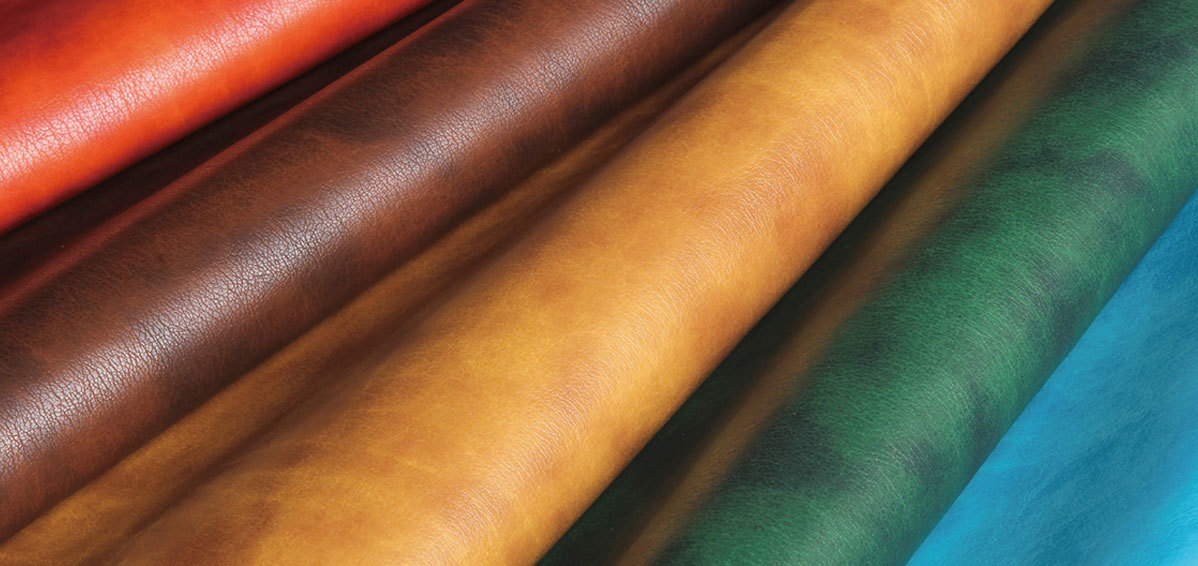

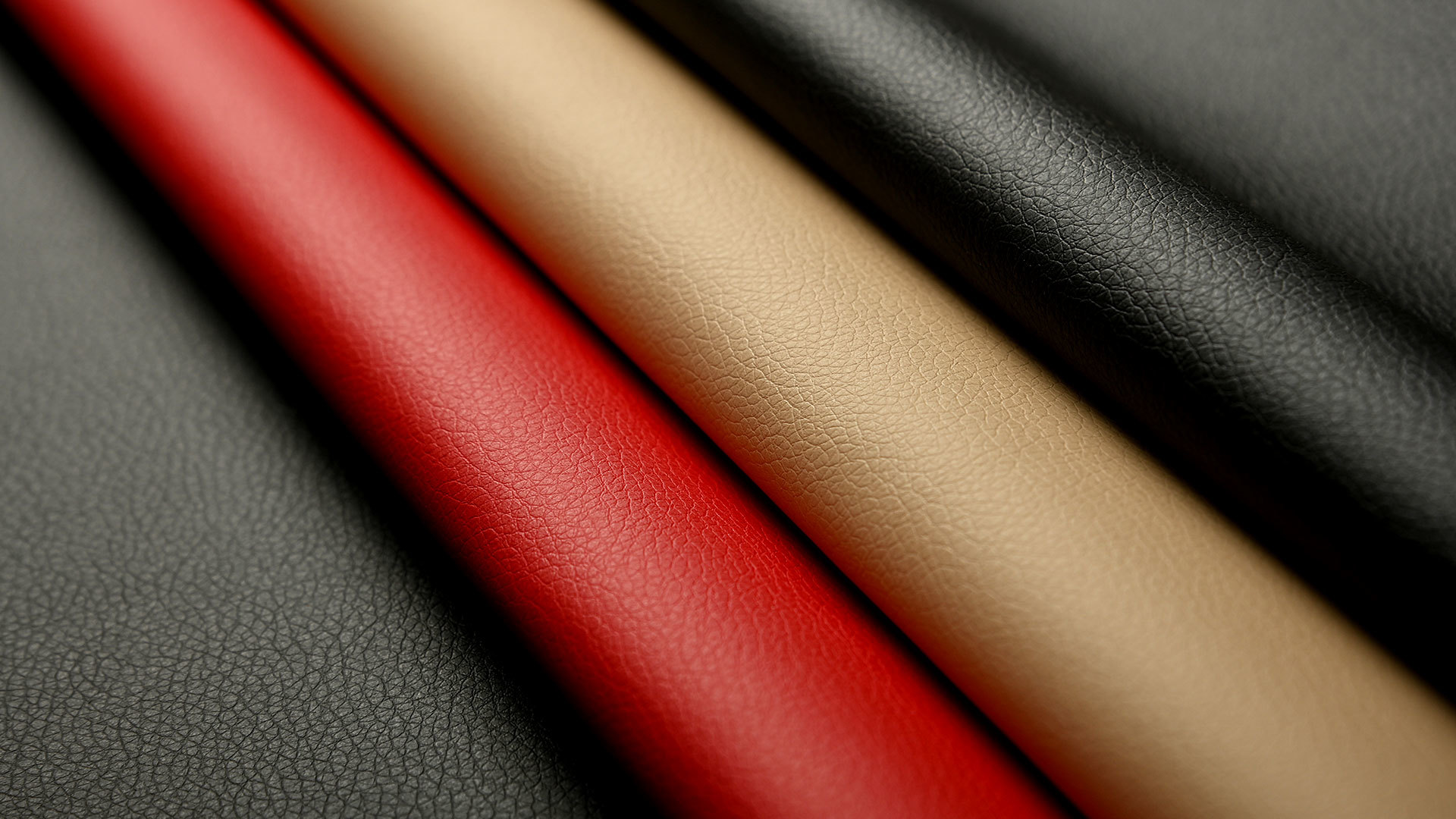
Leather Dyes Specialized Manufacturer

Ltd. is an acid dyes, direct dyes, leather dyes, feed additives and other chemical raw materials manufacturers, products are mainly used in leather, wool, tweed, silk, paper, wood, metal and other industry sectors.

How is leather dye mixed?

2021-10-09

The color mixing process of leather dyes generally uses the basic principle of the color triangle for mixing colors: when dyeing leather, using a single dye often cannot achieve the desired color, so several pigments need to be selected and mixed. For example, mixing the red and blue parts of the spectrum can yield purple. The color after mixing pigments is determined by the combined light reflected from various color pigments.

What is the difference between textile auxiliaries and textile dyes?

2021-09-14

Textile dyes are dyes used for textiles, most of which are plant extracts, such as plant fruits and tree saps, as well as natural chemical extracts like coal tar. Textile dyes are divided into natural dyes and synthetic dyes, with the majority being synthetic dyes available in the market.

What is the impact of textile dyes on color fastness?

2021-09-09

Textile dyes are dyes used for coloring textiles. Depending on the properties and methods of use, they can be classified into reducing dyes, sulfur dyes, reactive dyes, azo dyes, acid dyes, cationic dyes, direct dyes, and disperse dyes.

Types and Uses of Feed Additives.

2021-09-08

Types and Uses of Feed Additives: 1. Supplementing Balanced Nutrition: This includes amino acids, vitamins, trace minerals, and non-protein nitrogen compounds. 2. Health and Growth Promoters: These feed additives have functions such as antibacterial disease prevention, deworming, promoting the utilization of feed nutrients, enhancing animal growth, and improving egg and milk production. This category includes antibiotics, synthetic antibacterial drugs, and dewormers.

A Brief Analysis of the Impact of Textile Dyes on Color Fastness

2021-09-04

Textile dyes are dyes used for coloring textiles. They can be classified into acid, cationic, direct, disperse, azo, reactive, sulfur, and reductive dyes based on their properties and application methods. Different dyes have varying affinities for different fibers, which also determines that different fibers require corresponding dyes.

What are textile dyes? Here’s a little knowledge sharing about textile dyes!

2021-08-30

Textile dyes are coloring agents used for dyeing textiles. They mainly consist of plant extracts such as fruits and juices, and also include extracts from natural chemical substances like coal tar. Textile dyes have good coloring properties, are not easily faded, and do not lose color easily when washed. After dyeing, the fabric's hand feel does not change significantly, and it does not become stiff. However, the color saturation is lower than that of acrylic dyes. So, how are textile dyes manufactured?

Basic Knowledge of Acid Dyes

2021-08-12

The acidic groups in acidic dyes are generally sulfonic acid groups (-SO3H), which exist in the dye molecules in the form of sodium sulfonate (-SO3Na). Some dyes also use sodium carboxylate (-COONa) as the acidic group. They are characterized by good water solubility, bright colors, a complete range of colors, a simpler molecular structure compared to other dyes, and the absence of long conjugated coherent systems in the dye molecules, resulting in lower directness of the dyes.

Introduction to Feed Additives

2021-08-04

Feed additives refer to substances that are added in small or trace amounts during the production, processing, and use of feed. Although they are present in low quantities in the feed, their effects are significant. Feed additives are an indispensable raw material in modern feed industry. They play a notable role in enhancing the nutritional value of basic feed, improving animal production performance, ensuring animal health, saving feed costs, and improving the quality of animal products.

Characteristics of Acid Dyes

2021-07-23

Acid Dyes are a class of water-soluble dyes that contain acidic groups in their structure. They are used for dyeing in acidic media. Most acid dyes contain sodium sulfonate, which makes them soluble in water. They are characterized by bright colors and a complete color spectrum.

Introduction to Feed Additives

2021-07-09

Feed additives refer to small or trace substances added during the production and processing of feed. Although used in minimal amounts, they have significant effects. Feed additives are essential raw materials in modern feed industry. They enhance the nutritional value of basic feed, improve animal production performance, ensure animal health, save feed costs, and have a noticeable impact on the quality of animal products.

Introduction to Acid Dyes

2021-06-28

Acid dyes refer to dyes that contain acidic groups in their molecular structure, also known as anionic dyes. They can bond with the amino groups in protein fiber molecules through ionic bonds and are suitable for use under acidic, weakly acidic, or neutral conditions. They mainly consist of azo and anthraquinone structures, with a few being aromatic methane structures. Dyes and colors are generally compounds that have their own color and can impart vivid and durable hues to other substances in either molecular or dispersed states.

Introduction to the Classification of Leather Dyes and Acid Dyes

2021-06-09

Introduction to the Classification of Leather Dyes and Acid Dyes
< 1...345...11 >