

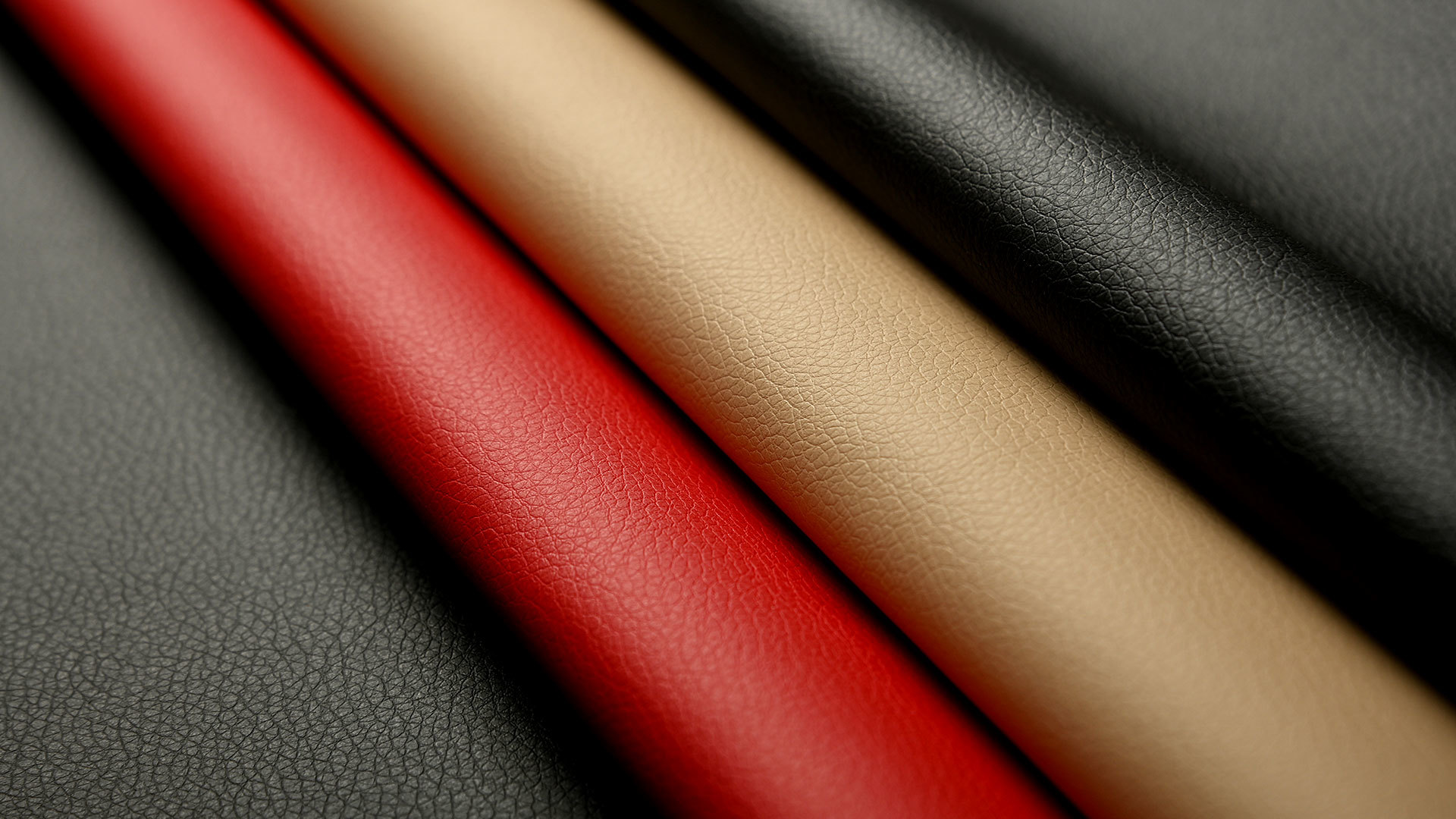
Leather Dyes Specialized Manufacturer
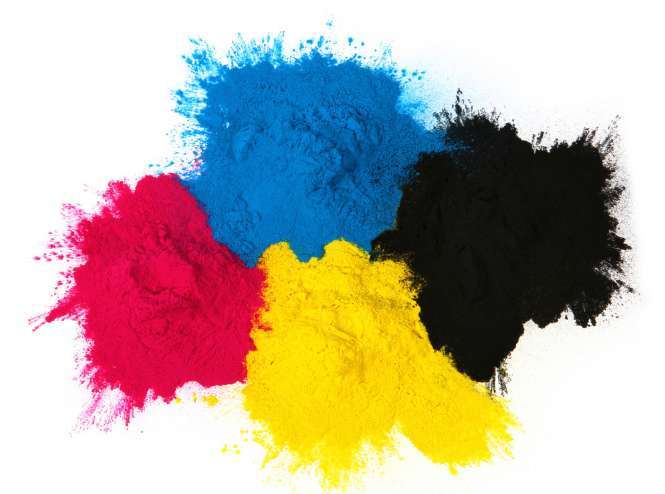
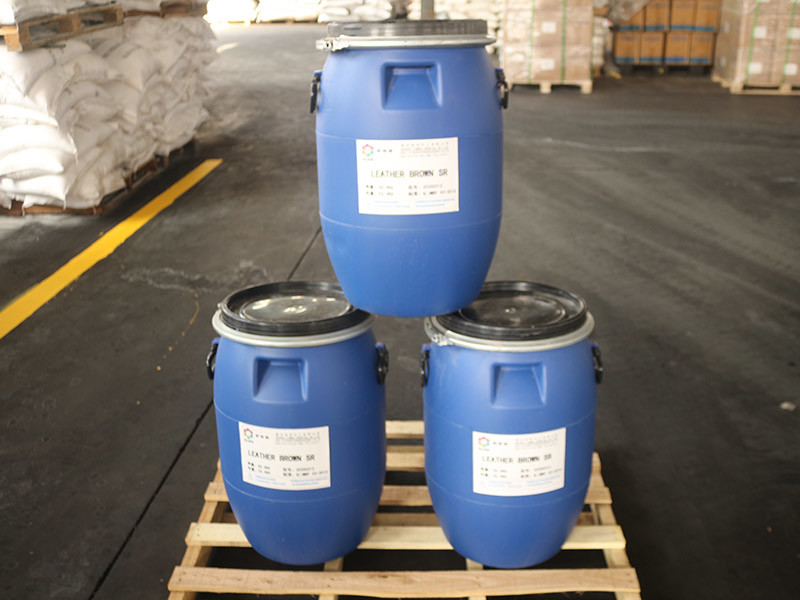
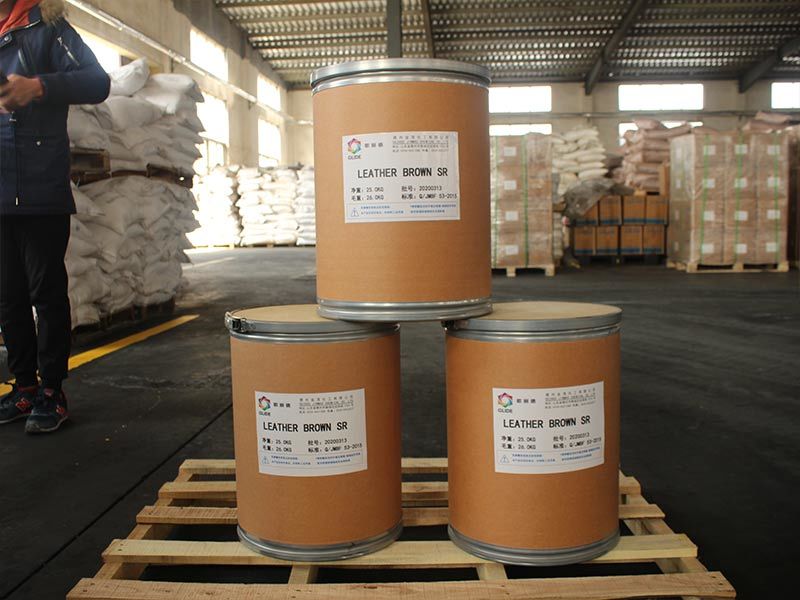
Ltd. is an acid dyes, direct dyes, leather dyes, feed additives and other chemical raw materials manufacturers, products are mainly used in leather, wool, tweed, silk, paper, wood, metal and other industry sectors.
Disinfectant Manufacturers: Common Disinfectants and Their Disinfection Principles
Through the principle of molecular collision, pathogenic microorganisms are killed by disinfectant molecules that encounter them.
The higher the concentration of the disinfectant product manufacturer, the more disinfectant molecules there are. The higher the temperature, the faster the movement of disinfectant molecules; the fewer organic substances in the environment; the more opportunities disinfectant molecules have to encounter pathogenic microorganisms, the better the disinfection effect. In specific uses, attention must be paid to the concentration ratio (preferably 75% alcohol), environmental temperature, and the concentration of organic substances in the environment.
Disinfectant product manufacturers that denature and precipitate pathogenic proteins through the principle of molecular collision:
The function of this disinfectant product manufacturer is non-selective in disinfection and virus killing, and it will damage all living organisms. It is a protoplasmic toxin. It will damage host tissues during the disinfection process, cause stress to livestock and poultry, pollute the environment, and damage equipment. This disinfectant can only be used for disinfecting empty rooms and environments, such as phenols, aldehydes, strong acids, and strong bases.
1. Phenolic disinfectants:
A class of disinfectant products with a foul odor, such as carbolic acid, toluene diol, and cresol: this type of disinfectant has the most brand names, among which phenol 1 is ineffective against spores and viruses. The compound phenol 1 contains 41% to 49% phenol 1 and 22% to 26% acetic acid, providing the best disinfection effect. This disinfectant has a special medicinal taste and is highly toxic. Inhalation or skin contact can cause cancer. It is usually used to disinfect water pools and excrement. For specific disinfection, the environment must be cleaned first, and the concentration must reach 0.5% to 1% or higher, and the temperature must not be lower than 8°C for good disinfection effect. It is prohibited to use in alkaline environments or mix with alkaline solutions and other disinfectants.
2. Alcohol disinfectants:
Typically, 75% alcohol is used to disinfect injection sites.
3. Aldehyde disinfectants:
Formaldehyde (formalin), glutaraldehyde, and formaldehyde are the best fumigation disinfectants. Fumigation and disinfection must have a high room temperature (above 18°C) and about 70% relative humidity to be effective, while formaldehyde below 15°C easily polymerizes into paraformaldehyde and loses its disinfection effect. The permeability of formaldehyde gas is poor. Items, especially garbage, should be dispersed as much as possible. After long-term storage or evaporation of water, formalin will turn into white paraformaldehyde. Therefore, it loses its disinfection effect and needs to be heated back to 100°C to become formaldehyde again. Formaldehyde is carcinogenic. Glutaraldehyde is usually used in a 2% solution, has good disinfection effects, and is not affected by organic substances. If 0.3% sodium bicarbonate is used as a buffer, the effect will be even better. However, glutaraldehyde is expensive and has poor stability.
Latest developments
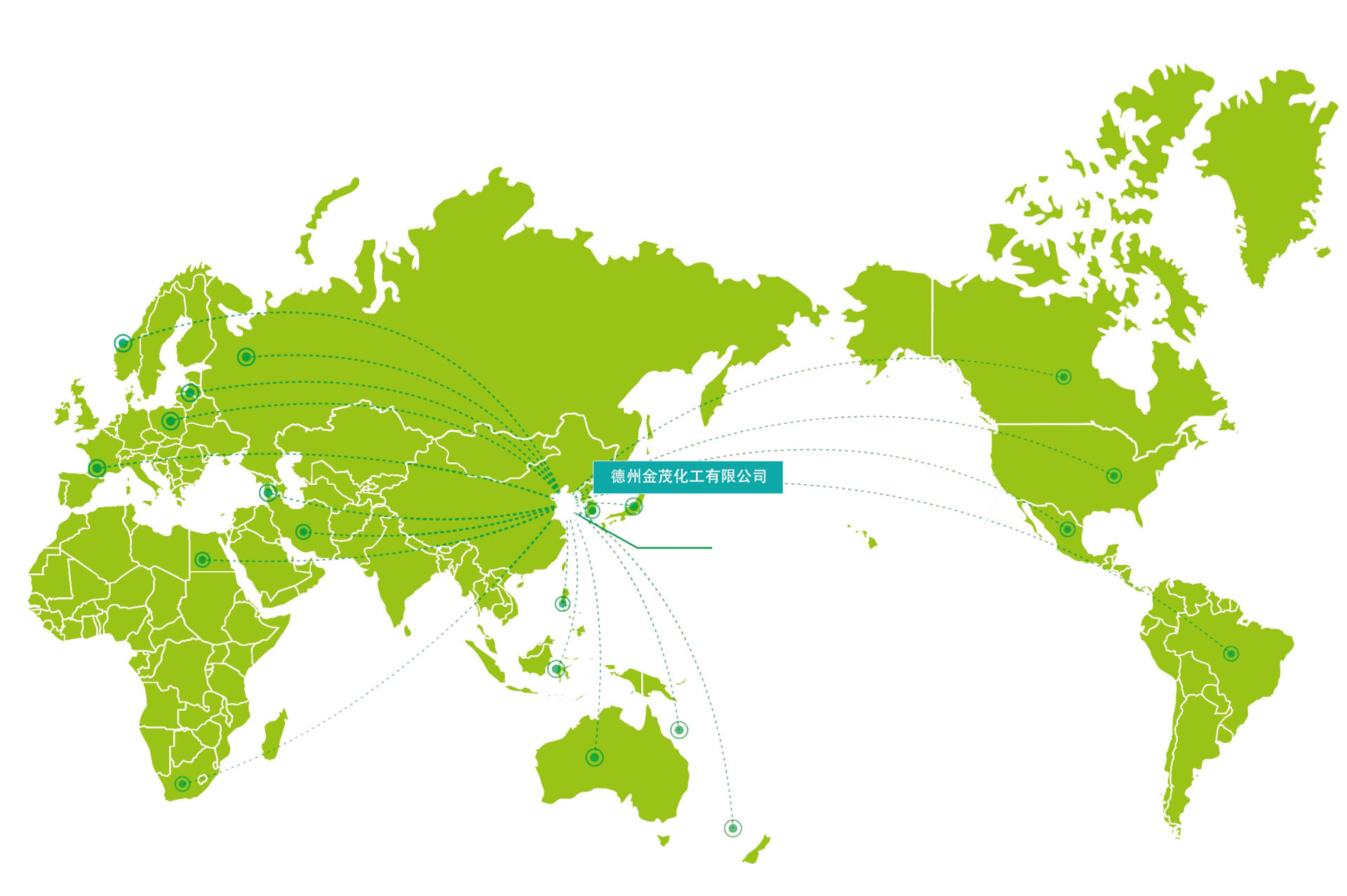
Dezhou Jinmao Chemical Co., Ltd.
Address: 1922 Yingbin Street, Lingcheng District, Dezhou City, Shandong Province, China
WhatsApp:

Focus on GLIDE