

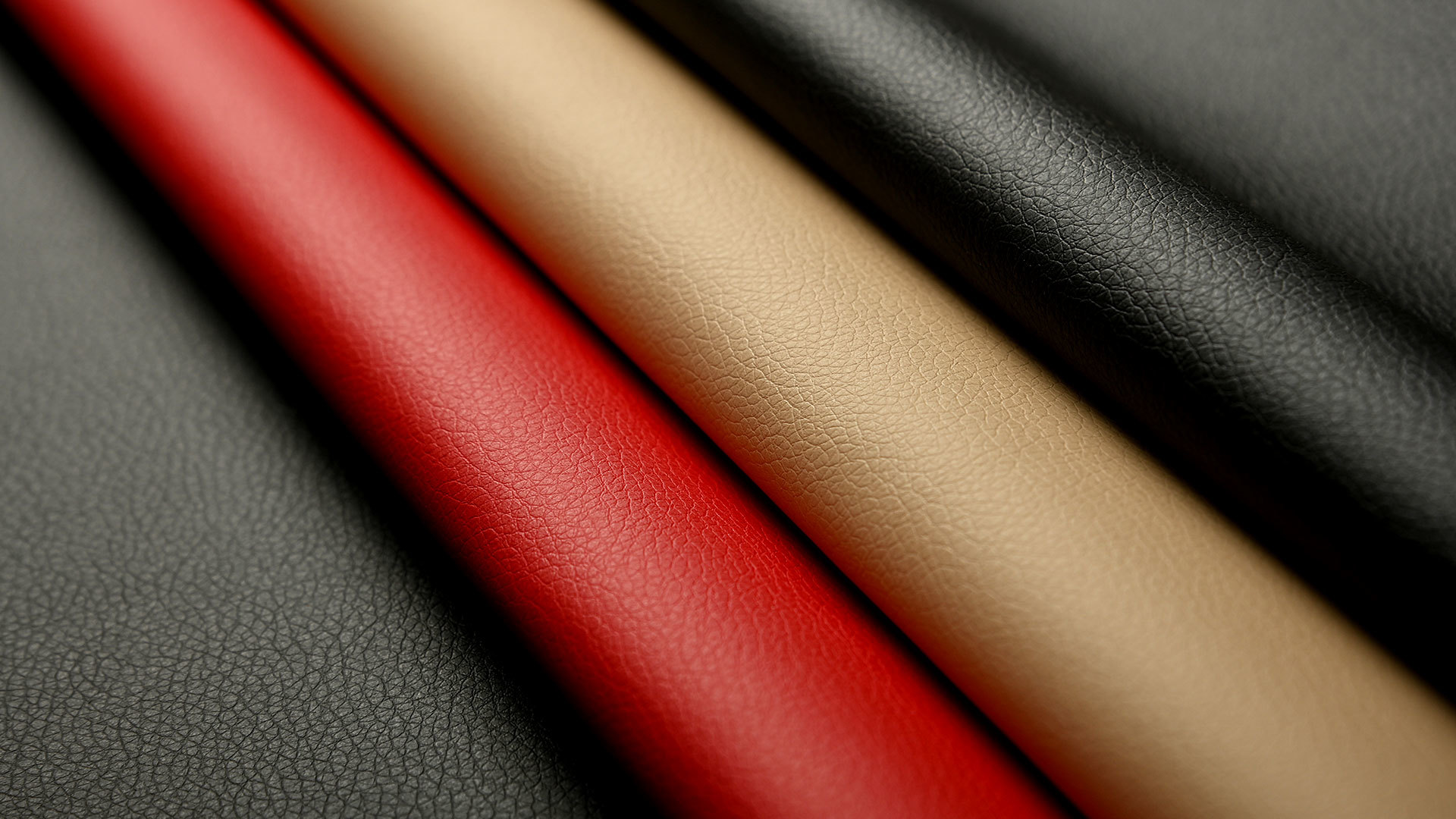
Leather Dyes Specialized Manufacturer
Ltd. is an acid dyes, direct dyes, leather dyes, feed additives and other chemical raw materials manufacturers, products are mainly used in leather, wool, tweed, silk, paper, wood, metal and other industry sectors.
Leather Dyes: Analysis of the Components of Leather Dyes
1. Composition of leather dye materials
The material composition of leather dye refers to the different types of substances contained in commercial dyes. Generally, it can be divided into the following five types of substances.
1. Leather dye: It is a colored substance that can be used for dyeing.
2. Semi-dye body: It is a byproduct of low molecular weight dyes, which is part of the products that have not fully reacted in the dye synthesis reaction. The characteristic of organic synthesis is that it does not have a 100% conversion rate. When the synthesis reaction is terminated according to the production process, there will always be more or less reactions that have not been fully carried out.
3. Inorganic salts: The chemical reactions in dye production will generate inorganic salts, most of which are sodium sulfate, and certain processes will generate sodium chloride. Inorganic salts are also added during the salting-out treatment. Sodium sulfate is usually added when adjusting dye strength.
4. Additives: Materials added to ensure good performance and quality stability of the dye, such as strength regulators, surfactants, co-solvents, dispersants, etc. For example, in special leather dyes, sodium sulfate is used as a strength regulator, and dispersants are added to achieve light shades. In acidic dyes, sodium sulfate is used as a strength regulator, pure soda can be added to reduce solubility, and light dispersants can be added. In direct dyes, sodium sulfate is used as a strength regulator, soda powder is added for poorly soluble dyes, disodium hydrogen phosphate is added for inferior dyes, and dispersants are added for poor dyeing.
5. Impurities: Impurities contained in raw materials, impurities introduced during the production process, and raw monomers that did not participate in the reaction.
II. Color components of leather dyes
The color components of leather dyes refer to the different hue types contained in commercial dyes. According to their different characteristics in dye production, these colors can be divided into the following three categories.
1. Classification of the role of color components
Main color: It is the color that occupies the main part of commercial leather dyes. The main color determines the hue of the commercial dye and is usually composed of 1-2 colors.
Mottling: It is the color that is not desired in the final leather dye, and their presence will reduce the dyeing effect of the main color, such as trace yellow contained in a certain pink dye. Most mottling is produced by impurities in the raw materials during the synthetic reaction process, while a few are isomers of the main color dye.
Latest developments
Dezhou Jinmao Chemical Co., Ltd.
Address: 1922 Yingbin Street, Lingcheng District, Dezhou City, Shandong Province, China
WhatsApp:

Focus on GLIDE