

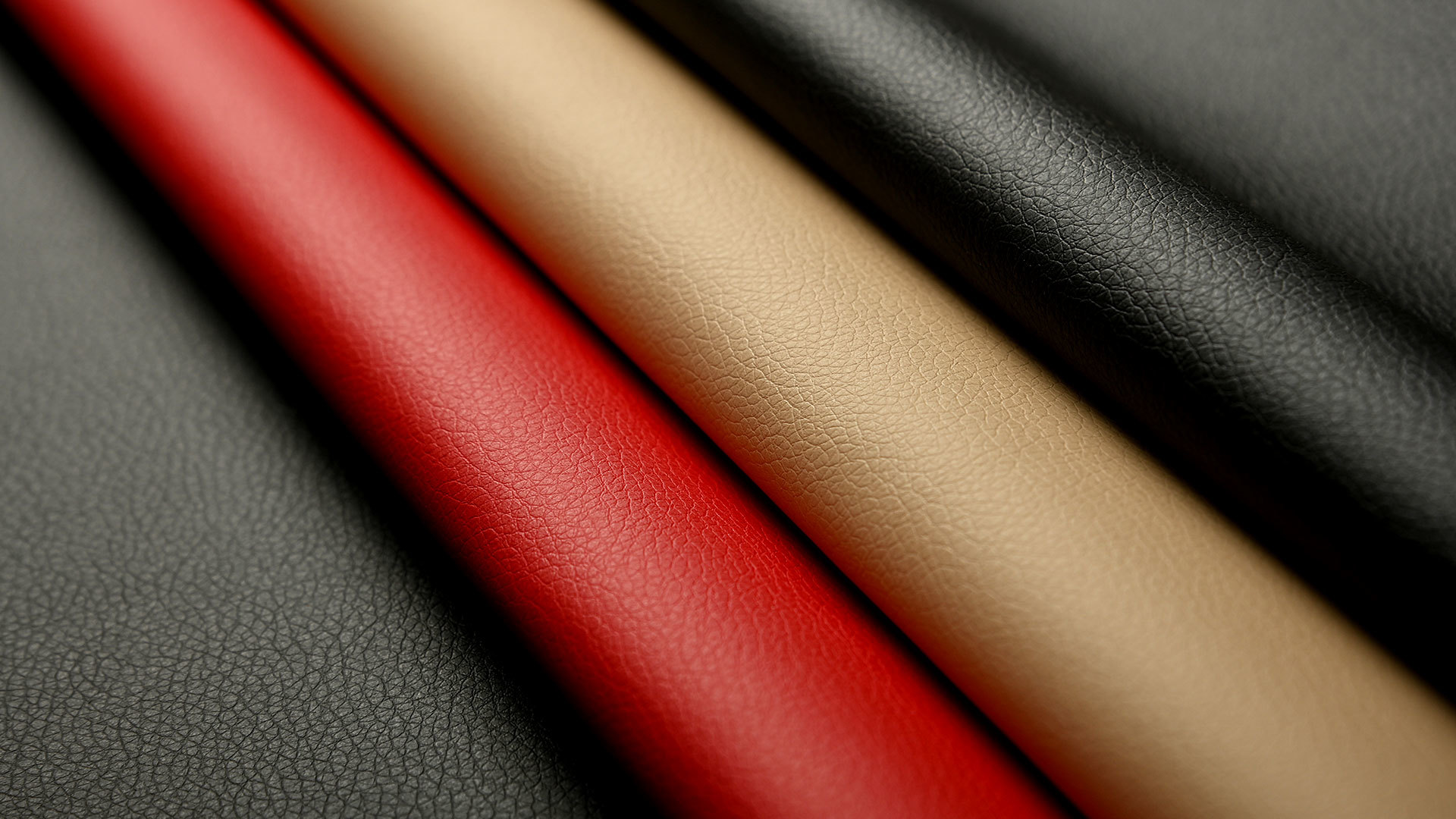
Leather Dyes Specialized Manufacturer
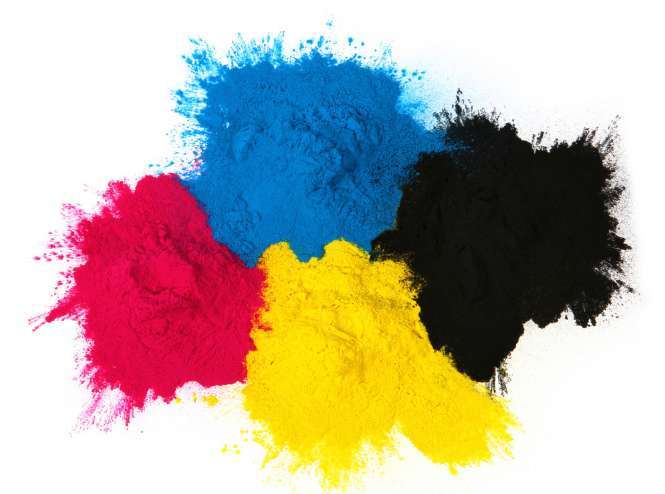
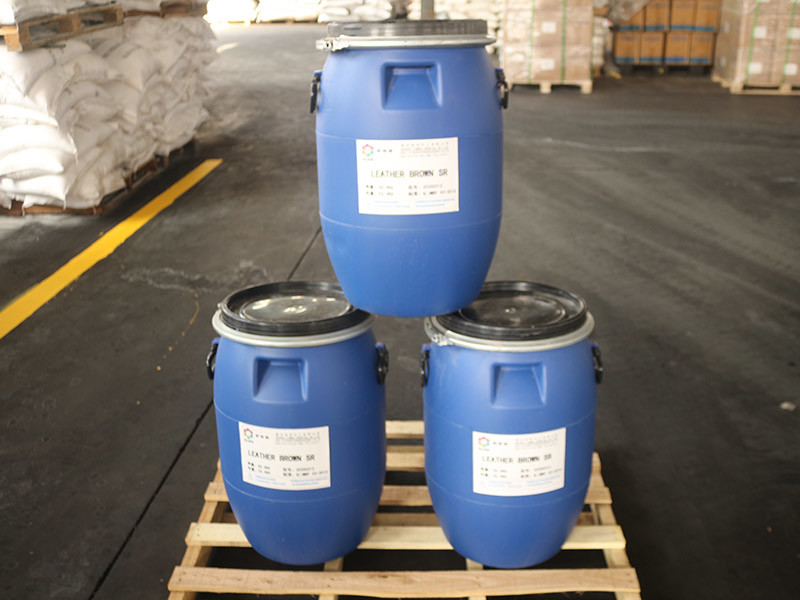
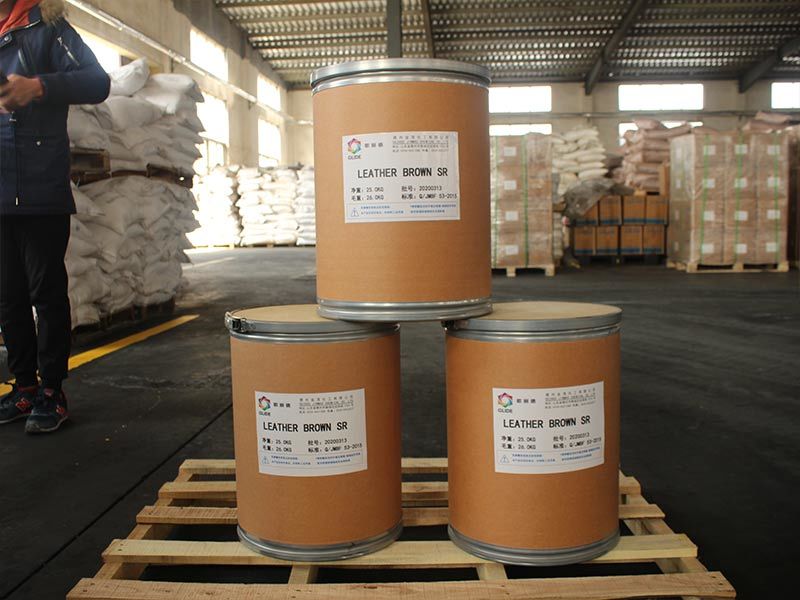
Ltd. is an acid dyes, direct dyes, leather dyes, feed additives and other chemical raw materials manufacturers, products are mainly used in leather, wool, tweed, silk, paper, wood, metal and other industry sectors.
Disinfectant Manufacturer: The Disinfection Principle of the Manufacturer's Disinfectants
The disinfectant manufacturer uses the principle of molecular collision, where disinfectant molecules come into contact with hospital microorganisms to kill them.
The higher the concentration of this disinfectant from the manufacturer, the more disinfectant molecules there are. The higher the temperature, the faster the disinfectant molecules move. The fewer organic substances in the environment, the better the disinfectant effect on hospital microorganisms. When using it, pay attention to the concentration ratio (75% alcohol is best), the ambient temperature, and the concentration of organic substances in the environment.
(a) Disinfectant manufacturers use disinfectants that denature and precipitate pathogenic proteins through the principle of molecular collision:
The function of this disinfectant is to kill bacteria and viruses indiscriminately, which can damage all living substances, classified as a broad-spectrum disinfectant. During the disinfection process, it can cause damage to host tissues, potentially leading to stress in livestock and poultry, environmental pollution, and damage to equipment. This disinfectant can only be used in empty rooms for environmental disinfection. Benzene, aldehydes, and other substances.
1. Disinfectant manufacturers'BenzeneDisinfectant:
Carbonate, Resorcinol, Cresol,Benzeneand other foul-smelling disinfectants: This type of disinfectant has the most product names, with phenol content ranging from 41% to 49%.Benzeneand 22% to 26% acetic acid, providing the best disinfection effect. It is specifically prohibited to mix with alkaline environments or alkaline solutions and other disinfectants.
2. Disinfectant manufacturers' alcohol disinfectant:
75% alcohol, generally used for disinfecting injection sites.
3. Disinfectant manufacturers' aldehyde disinfectant:
Formaldehyde (formalin), glutaraldehyde, and the best fumigation disinfectant. Fumigation disinfection requires a high room temperature (above 18°C) and a relative humidity of about 70% to be effective. Formaldehyde below 15°C is prone to polymerization into paraformaldehyde, losing its disinfecting effect. The penetrating power of formaldehyde gas is weak, so objects should be dispersed as much as possible, especially cushions. Glutaraldehyde is generally used in a 2% solution, has a good disinfecting effect, and is not affected by organic substances. Using 0.3% sodium bicarbonate as a buffer improves the effect. However, glutaraldehyde is expensive and has poor stability.
Latest developments
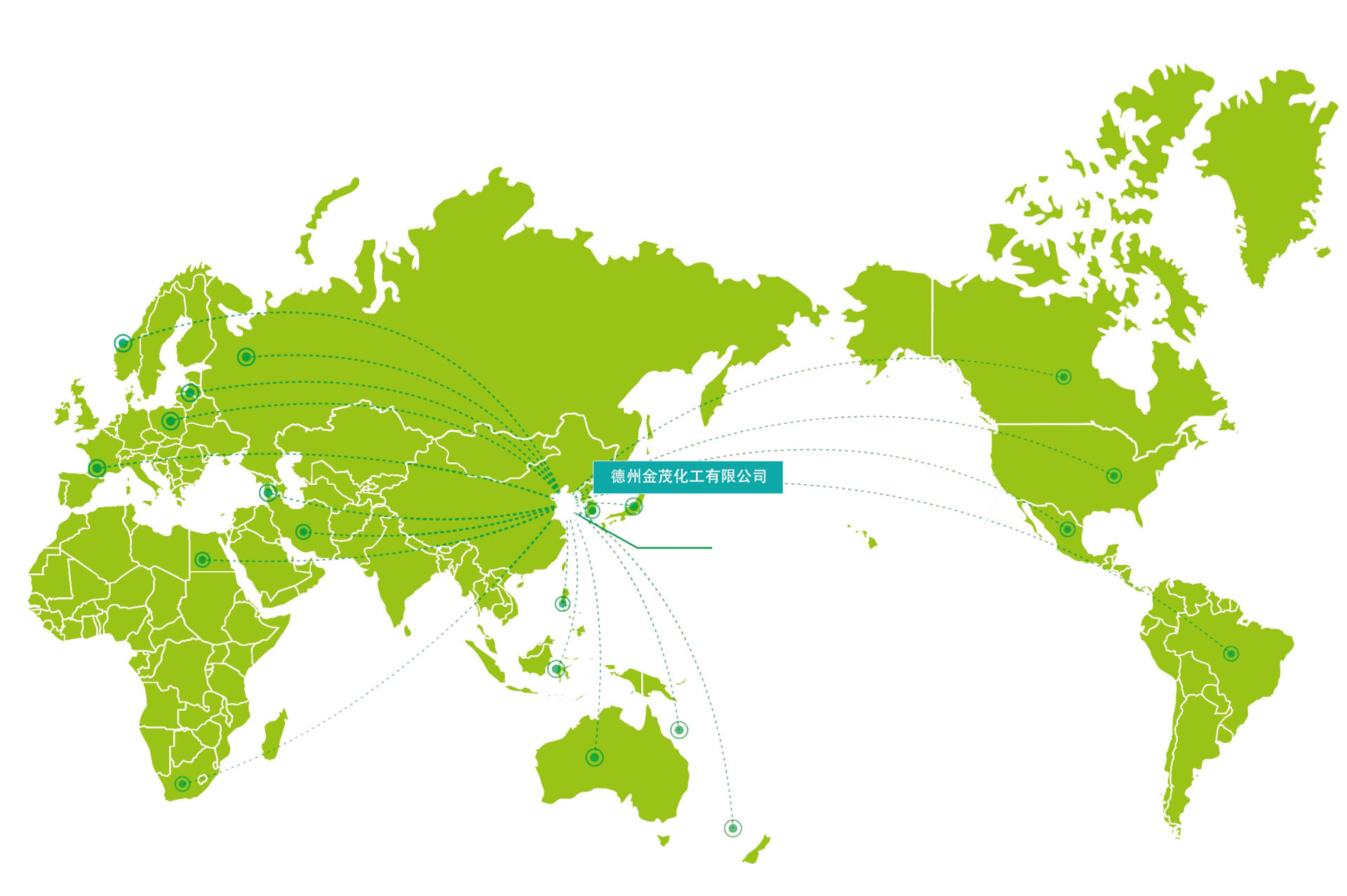
Dezhou Jinmao Chemical Co., Ltd.
Address: 1922 Yingbin Street, Lingcheng District, Dezhou City, Shandong Province, China
WhatsApp:

Focus on GLIDE