

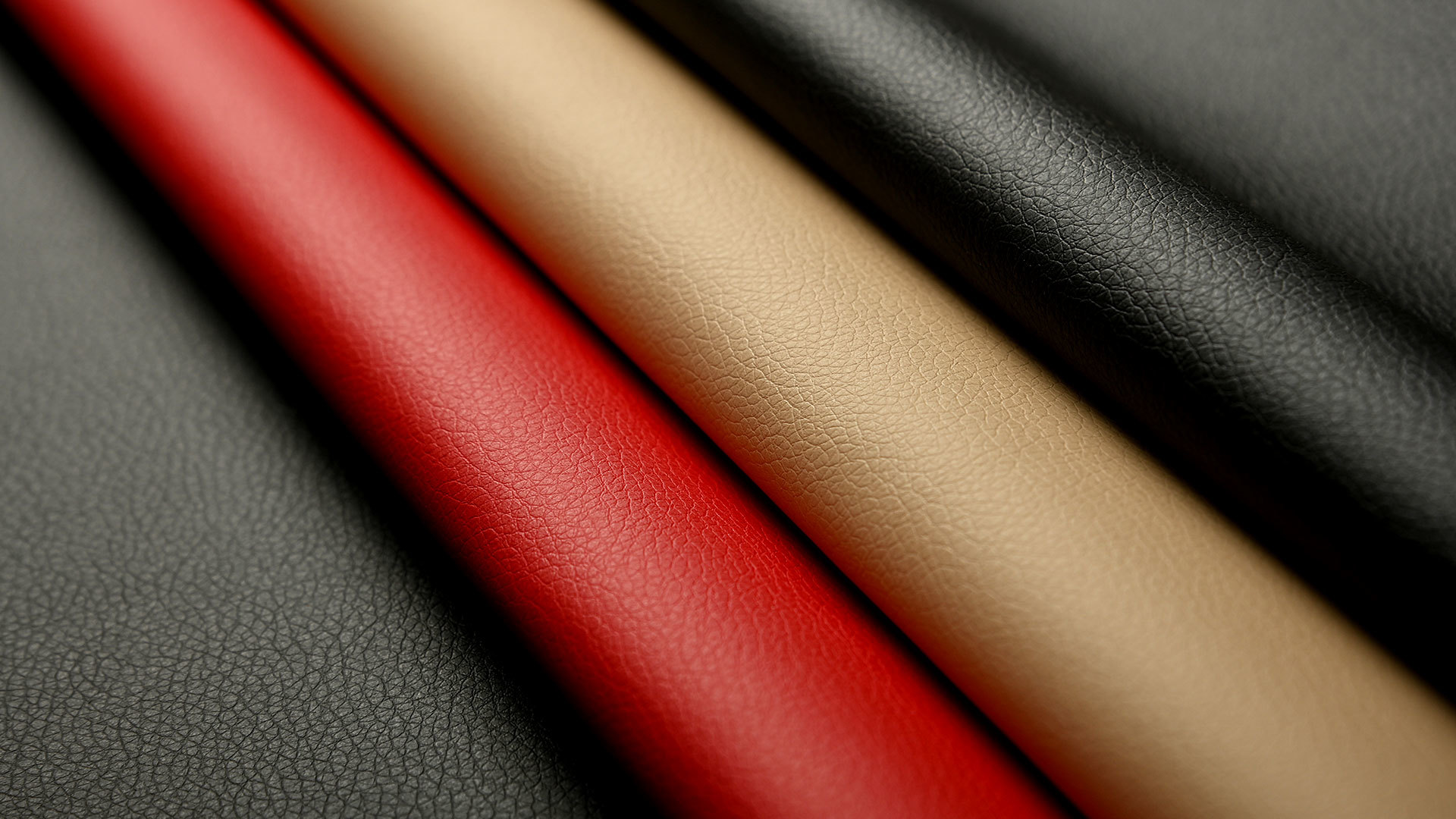
Leather Dyes Specialized Manufacturer
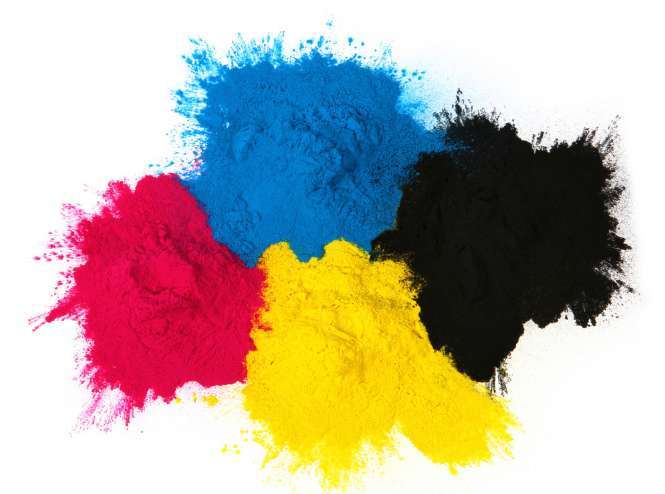
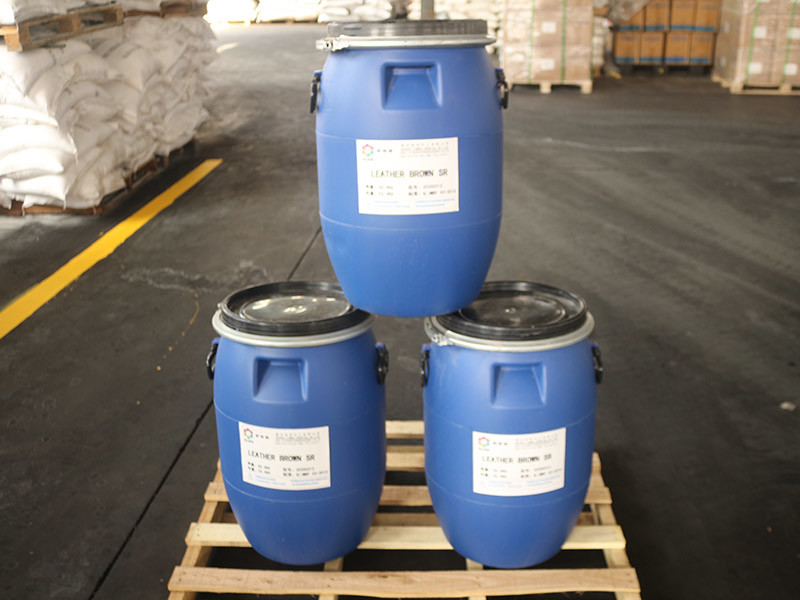
Ltd. is an acid dyes, direct dyes, leather dyes, feed additives and other chemical raw materials manufacturers, products are mainly used in leather, wool, tweed, silk, paper, wood, metal and other industry sectors.
Acid Dyes: The Impact of pH on Imported Acid Dyes
Imported acidic dyes have low color depth on cellulose, and only structurally complex dyes can affect cellulose fibers. Generally speaking, the colors of acidic dyes are more vivid and have a perfect color spectrum.
Different types of acidic dyes have varying fastness to wet processing and sunlight. The simpler the structure of the dye, the poorer the fastness. When choosing hair dyes, we should select dyes with complex structures that are easy to color. Acidic dyes can also be divided into strong acid dyeing materials, weak acid dyeing materials, and neutral dyeing materials.
The effect of pH on common salt rate: Under acidic conditions, as the pH of the salt solution increases, the common salt rate shows a downward trend. Therefore, when dyeing with weak acidic dyes, the pH is generally controlled between 4 and 5 for a higher dyeing rate.
If the acidity is too strong, the dyeing will be too fast, resulting in uneven coloring. The temperature and pH during dyeing are two more important factors, with the latter being more critical. Before dyeing, the pH of the dye bath can be adjusted, and it can also be changed by the acid absorption of the fabric and the addition of other auxiliary agents. pH changes can occur in the salt bath, affecting the salt uptake rate.
The main application range of reactive dyes for cellulose fiber dyeing is in cotton printing and dyeing, bedding fabrics, and various cotton products.
Chemically, cotton, linen, viscose rayon, and artificial cotton are all cellulose fibers, differing only in the microstructure of the fibers. Cotton fabric must undergo silk treatment before dyeing with reactive dyes to enhance the reactivity of carboxyl groups on the fibers. Various grades of reactive dyes have different reactive groups, thus forming different valences with cellulose.
Latest developments
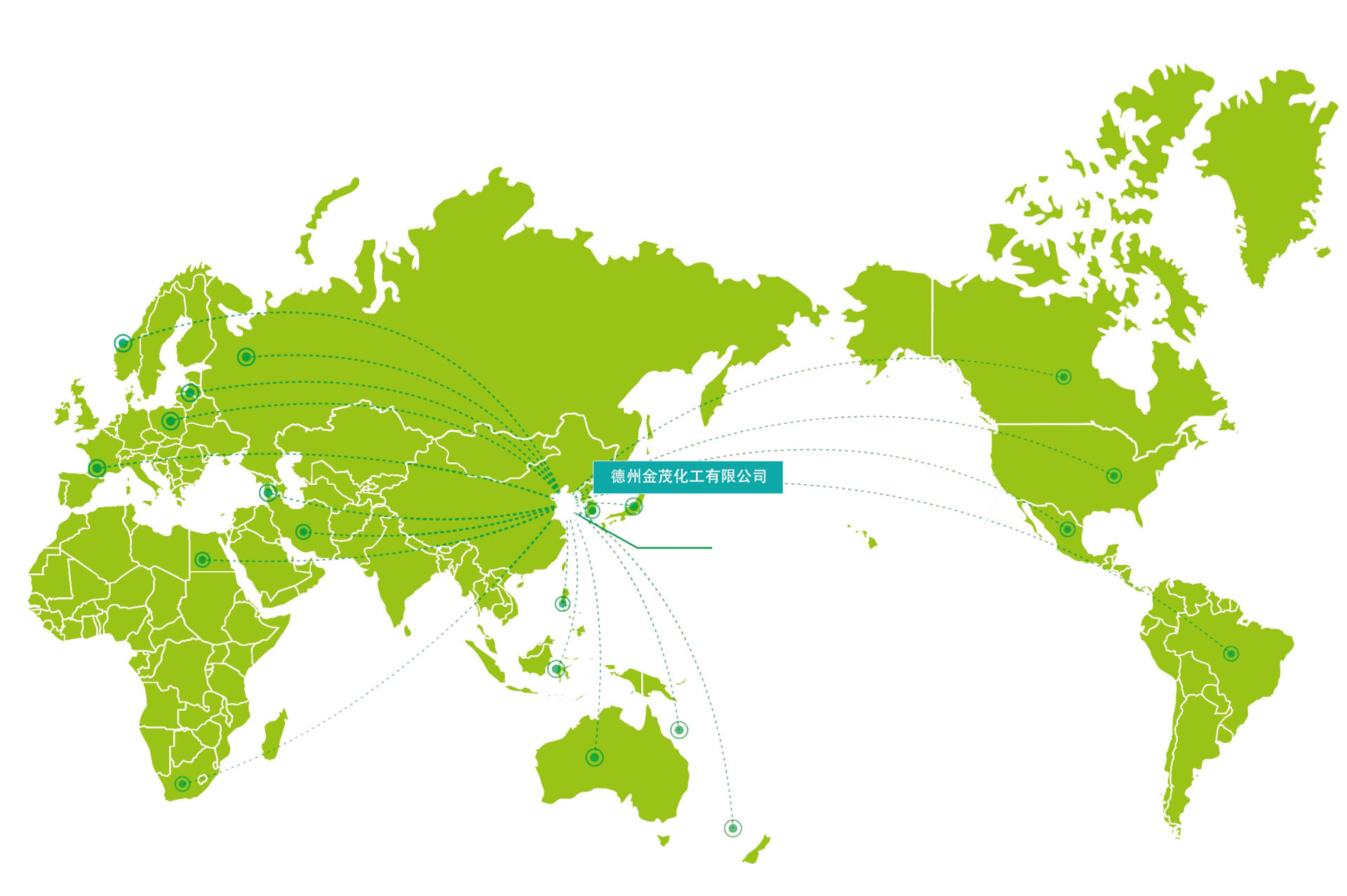
Dezhou Jinmao Chemical Co., Ltd.
Address: 1922 Yingbin Street, Lingcheng District, Dezhou City, Shandong Province, China
WhatsApp:

Focus on GLIDE