
Leather Dyes Specialized Manufacturer

Ltd. is an acid dyes, direct dyes, leather dyes, feed additives and other chemical raw materials manufacturers, products are mainly used in leather, wool, tweed, silk, paper, wood, metal and other industry sectors.
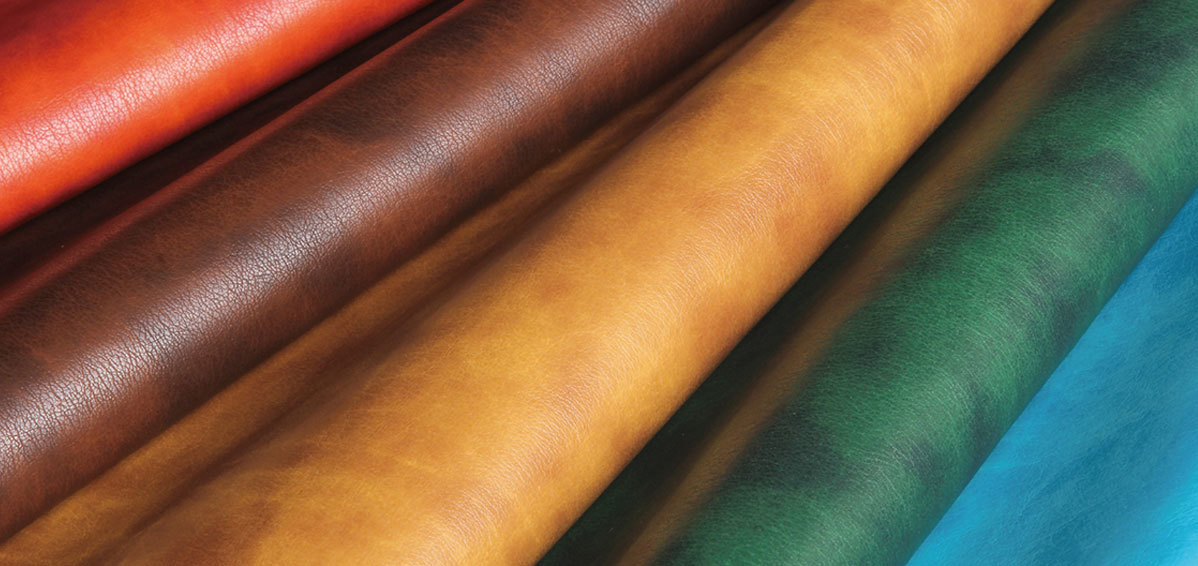
Leather dye blending and coloring agents

2020-11-05

Leather dye blending and coloring agents

Consumers should carefully check the content labels of disinfectant products when making a purchase.

2020-11-02
During the COVID-19 pandemic, disinfectant products such as antibacterial hand sanitizers, disinfecting wipes, alcohol sprays, antibacterial hand gels, and disinfectants became everyday essentials. Among these, ethanol-containing disinfectants gained popularity due to their effective germ-killing properties.

The Application and Classification of Acid Dyes

2020-10-30

Acid dyes are water-soluble dyes with acidic group structures that dye in acidic media. Most acid dyes contain sodium sulfonate, are easily soluble in water, have bright colors, and a complete spectrum. Generally, they have no coloring power on cellulose fibers. Acid dyes have a complete spectrum and bright colors, but the lightfastness and wet processing fastness vary significantly among different dyes. Different types of acid dyes have different dyeing properties and methods due to their molecular structure. Acid dyes are mainly used for dyeing wool, silk, and nylon, and can also be used for leather, paper, and inks. Generally, they have no coloring power on cellulose fibers.

Precautions for the Use of Acid Dyes

2020-10-27

Metal complex dyes containing copper, chromium, and nickel are dyes that are pre-prepared with specific structures and metal complexing agents. There are 93 types of acidic metal complex dyes. According to EU regulations, when dyeing related fibers, the amount of dye discharged into wastewater treatment after dyeing with each acidic dye should be less than 7%, meaning that the coloring rate of metal complex dyes should be greater than 93%. At the same time, the content of copper or nickel must not exceed 75 ms/Ks fiber, and chromium must not exceed 50 m ore Ks fiber. Therefore, the selected dyes need to have a certain level of purity.

Basic Knowledge of Acid Dyes

2020-10-24

The history of acid dyes: The earliest acid dye, triarylmethane acid dye, appeared in 1868. It has strong dyeing ability but poor fastness. In 1877, the first acid dye used for wool dyeing, Acid Red A, was synthesized, and its basic structure was determined. After 1890, acid dyes with anthraquinone structures were invented, and their chromatographic analysis became increasingly refined. To date, there are nearly hundreds of types of acid dyes, which are widely used for dyeing fibers such as wool, silk, and nylon.

What role does gamma-aminobutyric acid (GABA) play in the growth and development of children?

2020-10-21

With the increasing attention of parents on height, short infants and those with slow growth and development are undergoing examinations, and during treatment, gamma-aminobutyric acid (GABA) will be used to promote height growth. Almost all parents are not very familiar with GABA and have many questions. Today, let's talk about the role of GABA in children's growth and development.

Amino butyric acid achieves multiple functions, becoming the "King of Enhancement"!

2020-10-18
Gamma-aminobutyric acid (GABA) is a naturally occurring amino acid composed of non-protein substances, widely found in both animals and plants. Seeds, roots, and tissue fluids of plants (such as legumes, grasses, and traditional Chinese medicine) contain GABA. In animals, GABA is almost exclusively found in nervous tissue, with a concentration in brain tissue of about 0.1-0.6 mg per gram of tissue. Immunological studies indicate that the area with the highest concentration is the substantia nigra of the brain. GABA is neither a pesticide nor a plant growth regulator or traditional fertilizer; it is a green, safe, and efficient biostimulant with a clear mechanism as a cell signaling inducer.

Basic Knowledge of Disinfectant Products

2020-10-15

Here, I would like to share some professional knowledge about medical daily-use products, especially some disinfectants. If you have any questions, we can also communicate with each other. The main reason for sharing this content with you is that this year, with the outbreak of the pandemic, we have all started to realize the issues surrounding disinfectants. However, as many online marketers and business promoters, there are some exaggerations and misconceptions in product promotion, especially in our daily work when facing frontline medical personnel and distributors. There are issues or misconceptions, not to mention the general consumers who come into contact with disinfectants on a daily basis. Therefore, taking this opportunity, I would like to share some information with everyone.

How to choose disinfectant products

2020-10-12

Disinfection is the process of killing or eliminating pathogenic microorganisms in the environment. Disinfectant products have become essential protective items during the COVID-19 pandemic, just like masks, making the general public acutely aware of the importance of proper home disinfection. Today, let's take a brief look at commonly used disinfectant products.

How to choose good leather products made from quality leather dyes.

2020-10-09

With the continuous improvement of people's quality of life and the enhancement of social benefits, people's demands for quality of life are also increasing. There has been a significant rise in their needs in various aspects and their pursuit of material goods. Under these circumstances, higher demands are placed on the products produced by manufacturers. Consumers are becoming increasingly strict in their quality control of products, and people are also becoming more knowledgeable about many related products.

The basic concept of leather dyeing.

2020-10-09

The so-called leather dye refers to organic compounds that are artificially used to dye other fibrous materials into bright and durable colors. Dyes used for coloring protein leather fibers are referred to as leather dyes. Most leather dyes are water-soluble and undergo an adsorption reaction with the fibers in the leather under acidic conditions. This process of fixing and coloring is known as the dyeing process of leather products. In addition to requiring vibrant colors, leather dyes must also have good affinity for the leather fibers and various durability functions, such as resistance to sunlight, washing, wet and dry conditions, friction, and wear.

Introduction to the Classification of Leather Dyes and Acid Dyes

2020-10-09

Introduction to the Classification of Leather Dyes and Acid Dyes
< 1...678...11 >