

Leather Dyes Specialized Manufacturer

Ltd. is an acid dyes, direct dyes, leather dyes, feed additives and other chemical raw materials manufacturers, products are mainly used in leather, wool, tweed, silk, paper, wood, metal and other industry sectors.
Classification of Acid Dyes

2021-05-25

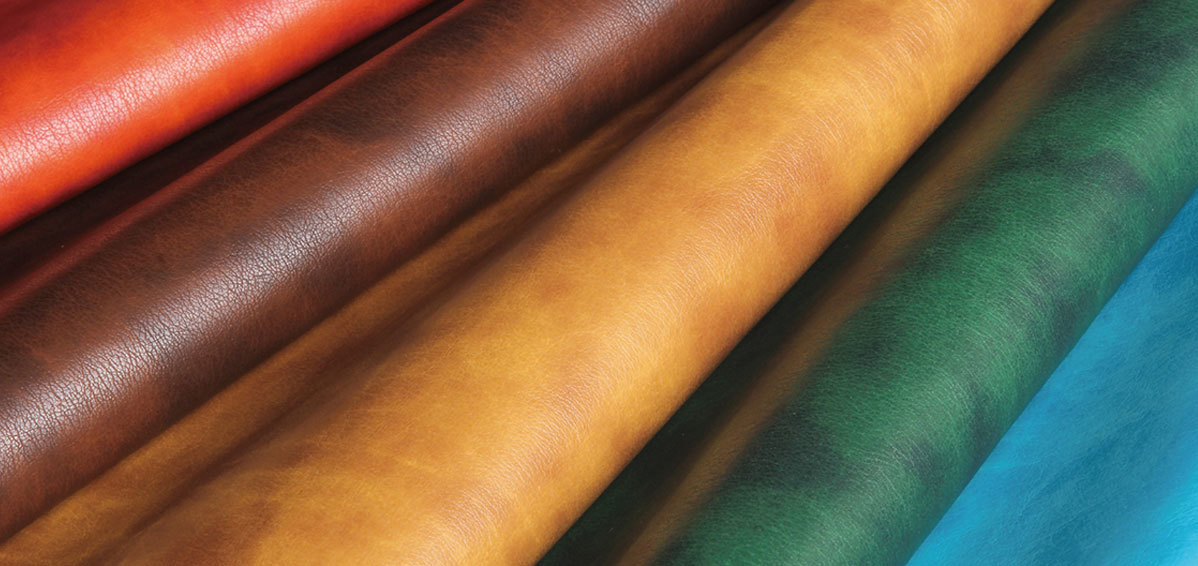
Acid dyes. The earliest developed acid dyes required dyeing in a strongly acidic dye bath. Their molecular structure is simple, with low molecular weight, and they contain sulfonic or carboxyl groups, which have low affinity for wool. They can move evenly on wool, resulting in uniform dyeing, and are also known as acid leveling dyes. However, the colors are not deep, the wash fastness is poor, and they can be harmful to wool during dyeing, resulting in a poor hand feel after dyeing. An example is Acid Red G (C.I. Acid Red 1).

The definition of disinfectants refers to substances used to eliminate or reduce harmful microorganisms on surfaces or in the environment. Disinfectants are typically used in healthcare settings, households, and various industries to maintain hygiene and prevent the spread of infections. The classification of disinfectants can include: 1. **Chemical Disinfectants**: These are substances that chemically destroy or inactivate pathogens. They can be further divided into: - Alcohols (e.g., ethanol, isopropanol) - Chlorine compounds (e.g., bleach) - Quaternary ammonium compounds (quats) - Phenolic compounds - Hydrogen peroxide 2. **Physical Disinfectants**: These methods involve physical processes to eliminate microorganisms, such as: - Heat (e.g., autoclaving) - Ultraviolet (UV) light 3. **Biological Disinfectants**: These include products that use natural or engineered microorganisms to outcompete or destroy harmful pathogens. Each type of disinfectant has its specific applications, effectiveness, and safety considerations.

2021-03-30

In our daily lives, we often need to use disinfectants to achieve the desired sterilization effect. Many situations today require the use of disinfectants, but many people are unaware of the specific types of disinfectants available, which can lead to reduced effectiveness. Therefore, it is important to understand more about disinfectants to better utilize their effectiveness. So, what is the definition of disinfectants? What are the classifications of disinfectants?

The three main features of biological feed additives.

2021-03-04

The three main features of biological feed additives.

There are several types of medical disinfectants, each with specific uses: 1. **Alcohol-based disinfectants**: These typically contain isopropyl alcohol or ethanol and are effective against a wide range of bacteria and viruses. They are commonly used for hand sanitization and disinfecting surfaces. 2. **Chlorine-based disinfectants**: These include bleach solutions and are effective against bacteria, viruses, and fungi. They are often used for disinfecting surfaces in healthcare settings and for sterilizing medical equipment. 3. **Quaternary ammonium compounds (quats)**: These are used for disinfecting surfaces and equipment. They are effective against bacteria and some viruses but may not be as effective against spores. 4. **Hydrogen peroxide**: This is a strong oxidizing agent that can kill bacteria, viruses, and fungi. It is used for disinfecting surfaces and can also be used in some medical procedures. 5. **Phenolic compounds**: These are used for disinfecting surfaces in healthcare settings. They are effective against a wide range of pathogens but can be toxic if not used properly. 6. **Iodine-based disinfectants**: These are used for skin disinfection before surgical procedures and for disinfecting surfaces. They are effective against bacteria, viruses, and fungi. Each type of disinfectant has its own specific applications and effectiveness, and the choice of disinfectant depends on the type of pathogens being targeted and the surfaces being treated.

2021-02-18

There are several types of medical disinfectants, each with specific uses: 1. **Alcohol-based disinfectants**: These typically contain isopropyl alcohol or ethanol and are used for skin disinfection and cleaning surfaces. They are effective against a wide range of bacteria and viruses. 2. **Chlorine compounds**: Commonly used in hospitals, these include sodium hypochlorite (bleach) and are effective against bacteria, viruses, and fungi. They are often used for disinfecting surfaces and equipment. 3. **Quaternary ammonium compounds (quats)**: These are used for disinfecting surfaces and are effective against bacteria and some viruses. They are often found in household disinfectants and wipes. 4. **Phenolic compounds**: These are used for disinfecting surfaces in healthcare settings and are effective against bacteria, viruses, and fungi. They are often used in surgical settings. 5. **Hydrogen peroxide**: This is used for disinfecting surfaces and medical equipment. It is effective against bacteria, viruses, and spores. 6. **Iodine-based disinfectants**: These are used for skin disinfection before surgeries and for cleaning wounds. They are effective against a broad spectrum of pathogens. Each type of disinfectant has specific instructions for use, including dilution ratios, contact time, and safety precautions.

How should disinfectants be used correctly during the pandemic?

2021-02-05

The pandemic has continued until now, but good news keeps coming. Various provinces across the country have reported no new confirmed cases of COVID-19 for several consecutive days. However, it is crucial to maintain effective pandemic prevention measures, and the correct use of scientific disinfectants is very important. Today, I will share some tips on how to use disinfectants!

Factors Affecting the Disinfection Effectiveness of Disinfectant Products

2021-01-22

Disinfection refers to methods that kill pathogenic microorganisms, but it does not necessarily kill bacterial spores. Chemical methods are commonly used to achieve disinfection. The chemicals used for disinfection are known as disinfectants. When disinfecting, it is important to consider factors that affect the disinfection effectiveness: the environment and the disinfection of livestock and poultry houses. First, organic pollutants such as feces must be cleaned, rinsed, and removed. The ceilings of the livestock and poultry houses should also be cleaned to remove dust and cobwebs, otherwise, it will affect the disinfection effectiveness. When disinfecting livestock and poultry, disinfectants with low irritation and low toxicity must be used. The nozzle should spray mist particles upwards, and the diameter of the mist particles should be controlled between 80 to 120 micrometers.

How long can activated chlorine-containing medical disinfectants be stored after opening?

2021-01-20

How long can activated chlorine-containing medical disinfectants be stored after opening?

Precautions for Using Disinfectant Products

2021-01-17

When using alcohol in indoor places, ensure proper ventilation and keep away from open flames. Used cleaning products, such as cloths, should be stored in sealed containers or dried in a centralized manner; before using alcohol, clear away flammable and explosive items nearby, and do not spray excessive amounts of flammable liquid alcohol disinfectant on live electrical devices such as sockets, switches, and appliances to avoid short circuits that could cause fires. Store away from light to prevent spillage and damage. When storing alcohol, avoid heat sources like balconies, and store it in a customized and measured manner in a separate storage cabinet.

What hazards can leather dyes pose to the body?

2021-01-12
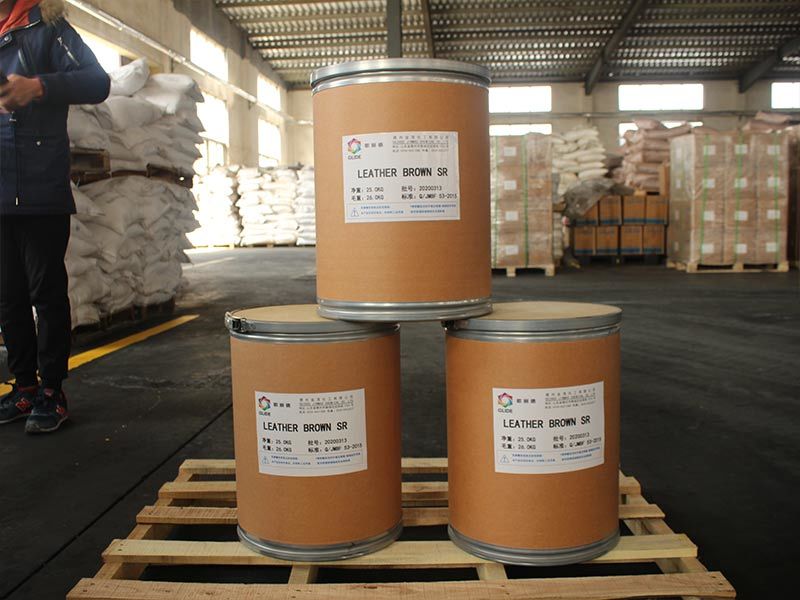
What harm can leather dyes cause to the body? With the significant improvement in living standards, everyone has certain preferences for their clothing style and color matching. Nowadays, the clothes and pants sold in the upper market all have their own styles and colors. These dark or light garments are dyed with a variety of dyes. Currently, there are regulations in China regarding the use of dyes in clothing. Now, let's discuss the harm that leather dyes can cause to the human body.

Do you all understand the classification of leather dyes?

2021-01-07

Do you understand the classification of leather dyes? 1. Economic Leather Dyes Currently, the acid dyes and direct dyes available in the domestic market are all bright-colored monoazo dyes, but the dyeing fastness of leather is relatively poor, and the prices are low. The so-called acid black and direct black in the leather dye market are all economical leather dyes.

Types of Feed Additives and How to Use Them

2021-01-05

Types of Feed Additives and How to Use Them

What is gamma-aminobutyric acid (GABA)? Why should we supplement GABA?

2021-01-02

The pace of life in modern cities is constantly accelerating, and the rhythm of the times is ever-changing. Tension and stress fill our personal lives and work every day, compounded by irregularities, aging, declining metabolic capacity, and weakened self-care abilities, leading to a state of sub-health that has now become our label.
< 1...456...11 >