

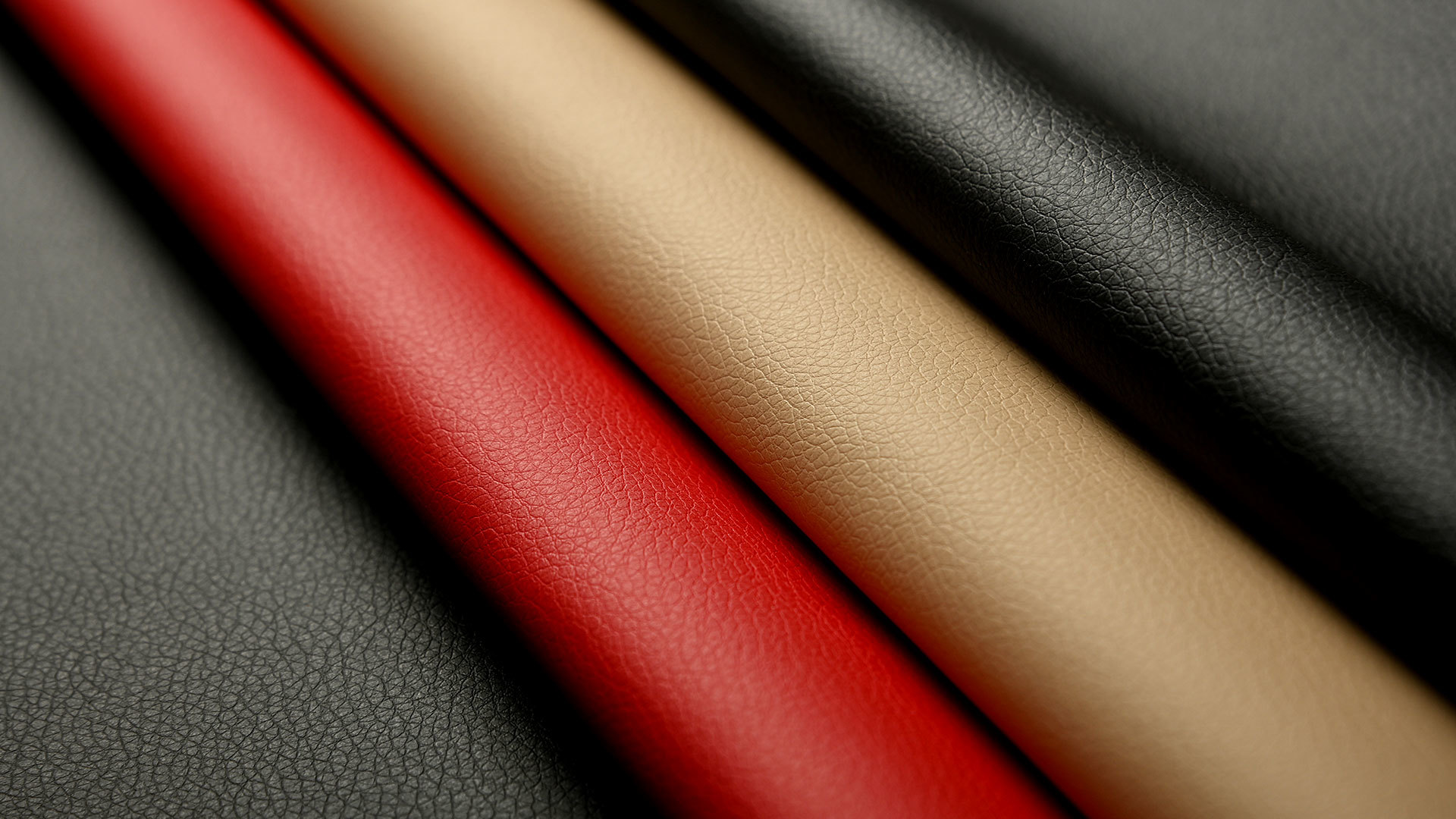
Leather Dyes Specialized Manufacturer
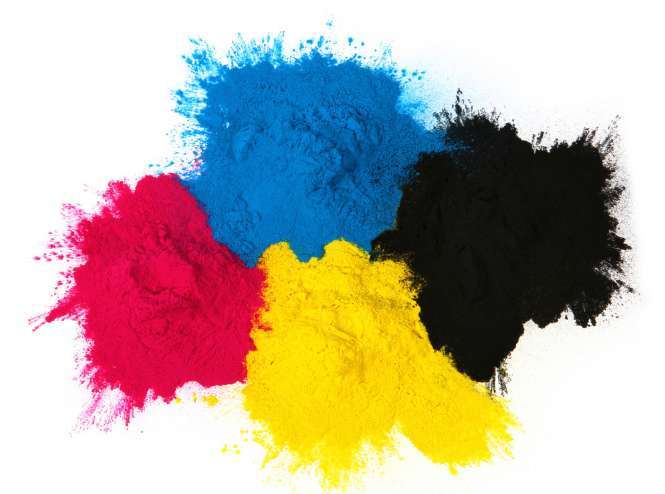
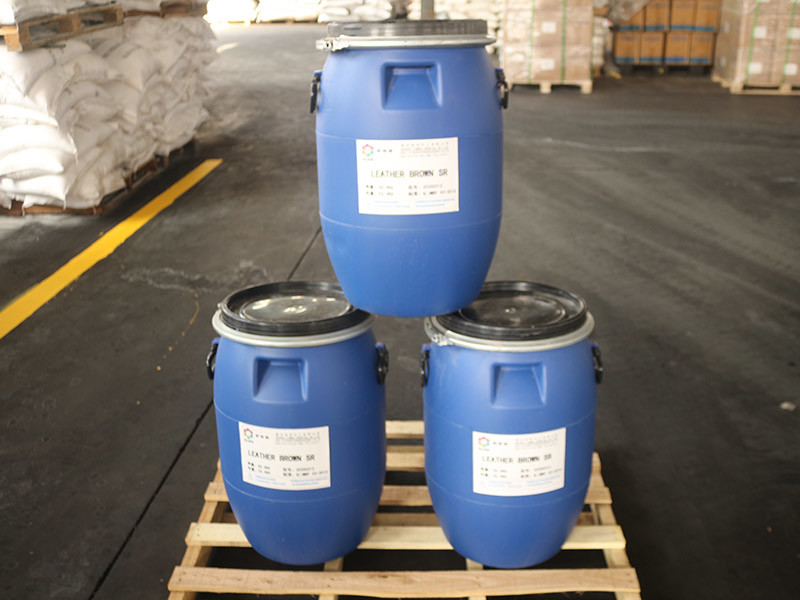
Ltd. is an acid dyes, direct dyes, leather dyes, feed additives and other chemical raw materials manufacturers, products are mainly used in leather, wool, tweed, silk, paper, wood, metal and other industry sectors.
Factors Affecting the Disinfection Effectiveness of Disinfectant Products
Disinfection refers to methods that kill pathogenic microorganisms, but may not necessarily kill bacterial spores. Chemical methods are commonly used to achieve disinfection. The chemical substances used for disinfection are called disinfectants.Products. When disinfecting, it is important to consider factors that affect disinfection effectiveness:Disinfection of the environment and livestock houses. First, organic pollutants such as feces must be cleaned, rinsed, and removed. The ceilings in the livestock houses should also be cleaned to remove dust and cobwebs, otherwise, it will affect the disinfection effect.When disinfecting livestock, it is necessary to use disinfectants that are less irritating and have low toxicity. The nozzle should spray mist particles upwards, and the diameter of the mist particles should be controlled at80 ~ 120microns. Disinfectants should not be sprayed directly on the heads of livestock to prevent harm to their eyes. Livestock disinfection can be performed every3 ~ 5days.

Theconcentration of disinfectants is directly proportional to the disinfection effect and should be used according to the specified concentration, otherwise, it will affect the disinfection effect. The temperature of the drugs is also proportional to the disinfection effect. For example, hot alkaline water. When fumigating with formaldehyde, doors and windows must be closed, and there should be no livestock present. Gaps should be sealed, and fumigation should be continuous for8 ~ 10hours, without affecting the transfer of the group, then open the doors and windows to expel the residual drug gas before transferring it to the livestock.According to their effectiveness, disinfectants can be divided into sterilants, high-efficiency disinfectants, medium-efficiency disinfectants, and low-efficiency disinfectants. Sterilants can kill all microorganisms that meet sterilization requirements, including formaldehyde, glutaraldehyde, hydrogen peroxide, chlorine dioxide, copper sulfate, quicklime, ethanol, etc.
TheProductsHigh-efficiency disinfectants
can kill all bacterial propagules (including mycobacteria), viruses, fungi, and spores. They can also kill bacterial spores to a certain extent, meeting the requirements for high-level disinfection, including chlorine-containing disinfectants, ozone, methyl ethyl ketone compounds, and quaternary ammonium salts.ProductsMedium-efficiency disinfectants can only kill mycobacteria, fungi, viruses, and bacterial propagules, meeting disinfection requirements, including iodine-containing disinfectants and alcohol disinfectants.
Low-efficiency disinfectantsProductscan only kill bacterial propagules and lipophilic viruses, meeting disinfection requirements, including benzalkonium bromide and other quaternary ammonium disinfectants, chlorhexidine and other biguanide disinfectants, and metal ion disinfectants such as mercury, silver, and copper. The definition of disinfectants is that they are preparations used to kill pathogenic microorganisms in transmission media, making them harmless. They are different from antibiotics. Their main role in disease prevention is to eliminate pathogenic microorganisms in the human body, cut off the transmission routes of infectious diseases, and achieve the goal of controlling infectious diseases.
Latest developments
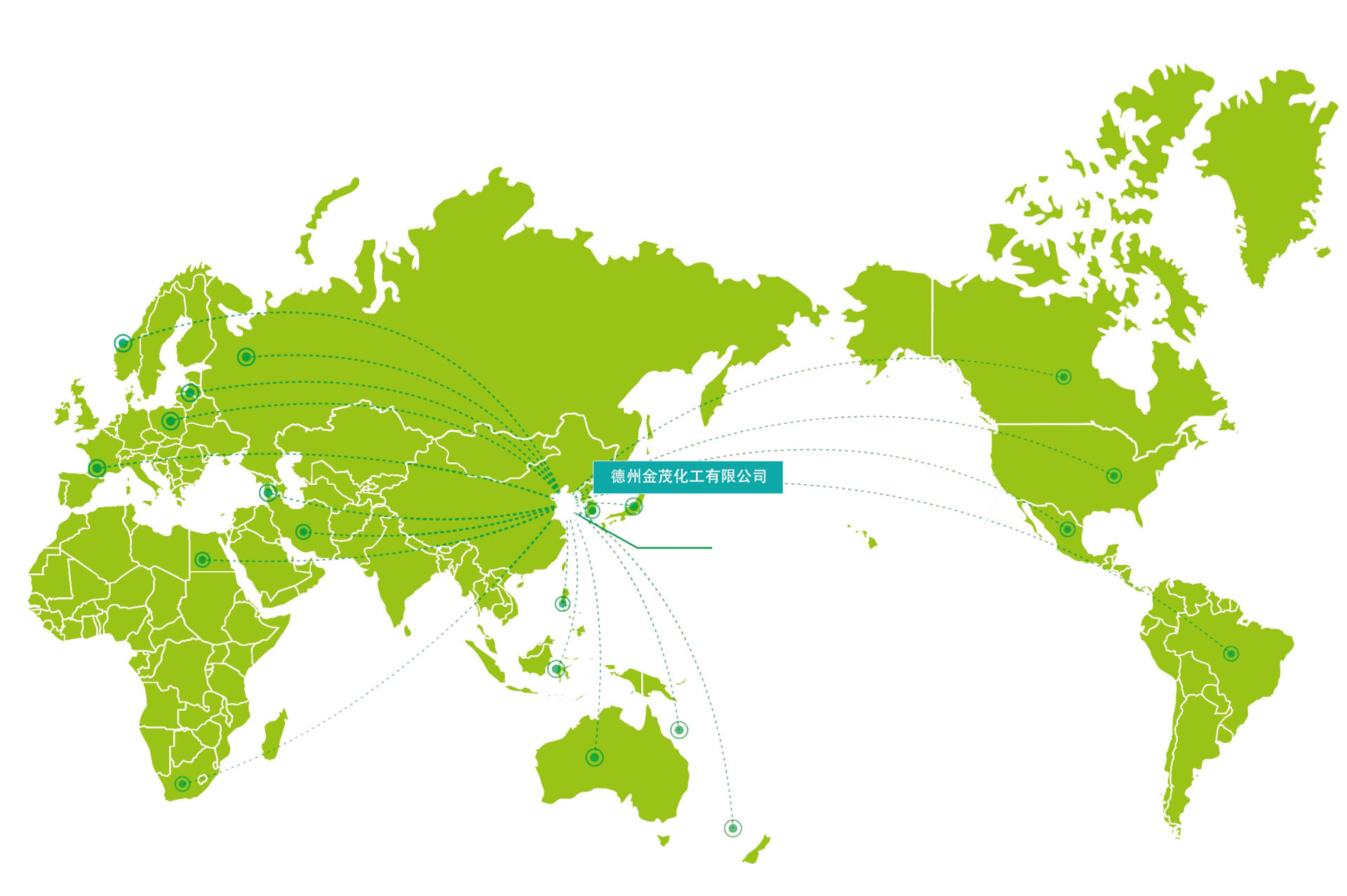
Dezhou Jinmao Chemical Co., Ltd.
Address: 1922 Yingbin Street, Lingcheng District, Dezhou City, Shandong Province, China
WhatsApp:

Focus on GLIDE