


Leather Dyes Specialized Manufacturer
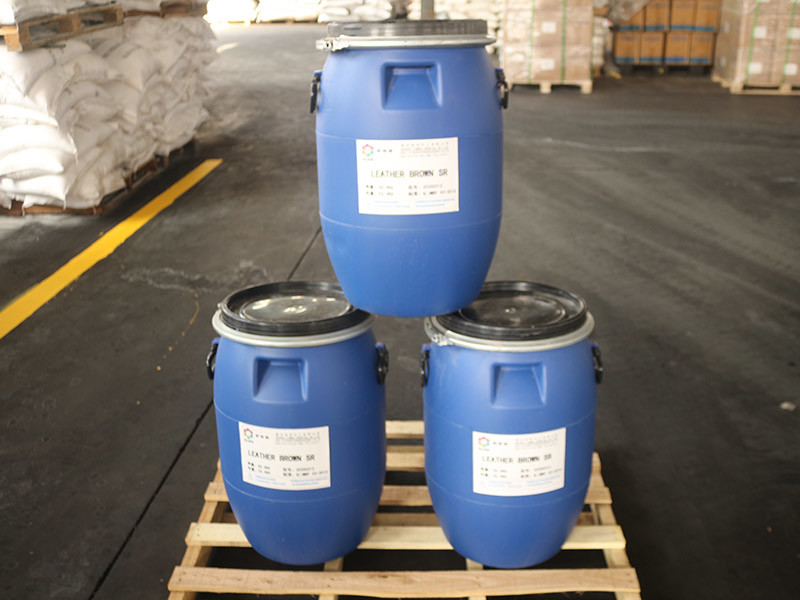
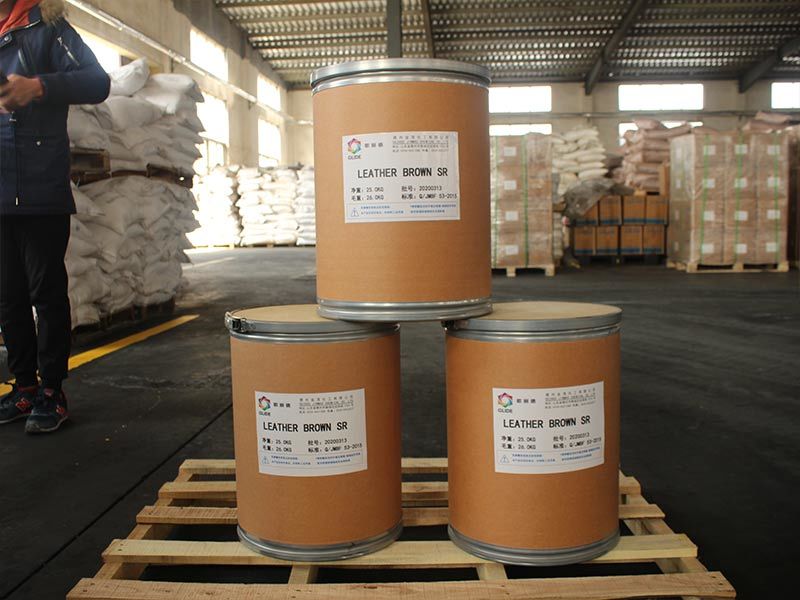
Ltd. is an acid dyes, direct dyes, leather dyes, feed additives and other chemical raw materials manufacturers, products are mainly used in leather, wool, tweed, silk, paper, wood, metal and other industry sectors.
A Brief Analysis of the Effects and Benefits of Gamma-Aminobutyric Acid (GABA) on the Human Body!
Gamma-aminobutyric acid, also known as GABA, is an amino acid present in the human brain and is an important inhibitory neurotransmitter in the nervous system. Proper supplementation helps relieve mental stress, regulate mood, and improve sleep.
The natural sleep aid function of GABA
GABA is the main neurotransmitter that induces sleep mechanisms. When the body needs rest, the brain releases neurotransmitters, reducing neural excitability and relaxing the nerves. Research shows that the GABA content in brain tissue increases by 15% during sleep compared to wakefulness.

GABA levels are affected by age and stress
GABA can be synthesized in the human brain, but with age or increased mental stress,GABAsynthesis decreases, leading to emotions such as anxiety, restlessness, and depression, which manifest as various sleep disorders.
Patients with sleep disorders have lower GABA levels
Medical experiments indicate that analyses of neurotransmitter changes in patients with sleep onset difficulties across all age groups show that GABA levels in patients are below normal or significantly lower than normal. Additionally, the principle of clinical drugs for treating sleep disorders is still based on enhancing the inhibitory effect of GABA. Therefore, increasing its content has a calming and sedative effect.
The role of GABA inregulating
Relieving anxiety and inhibiting excitement:GABAAs the main inhibitory neurotransmitter in the central nervous system, it participates in the physiological activities of brain circulation. Proper supplementation helps relieve restlessness and regulate sleep by inhibiting excitement.
Promoting metabolism: GABA increases the activity of hexokinase in the tricarboxylic acid cycle, accelerates glucose metabolism in the brain, ultimately increasing blood supply and oxygen levels in the human brain, promoting sleep. In addition, GABA also has the following effects:
Relieving stress:Inhibiting excessive neuronal excitation, enhancing the stability of the central nervous system, and improving the function of the brain's memory areas.
Delaying neuronal aging: Enhancing the activity of glucose-6-phosphate dehydrogenase, participating in the tricarboxylic acid cycle in the brain, and activating brain cell functions.
Anti-anxiety: It can bind to anxiety-related brain receptors and then block anxiety-related information from reaching the brain's signaling center, fundamentally calming the nerves and achieving an anti-anxiety effect.
Insomnia and difficulty falling asleep are often related to mental stress and the light and sound of the sleeping environment. To fall asleep faster, one must first eliminate negative emotions, improve the unscientific nighttime environment, and create conditions for a quiet, dimly lit, and well-ventilated bedroom to better promote sleep.
Latest developments


Dezhou Jinmao Chemical Co., Ltd.
Address: 1922 Yingbin Street, Lingcheng District, Dezhou City, Shandong Province, China
WhatsApp:

Focus on GLIDE