

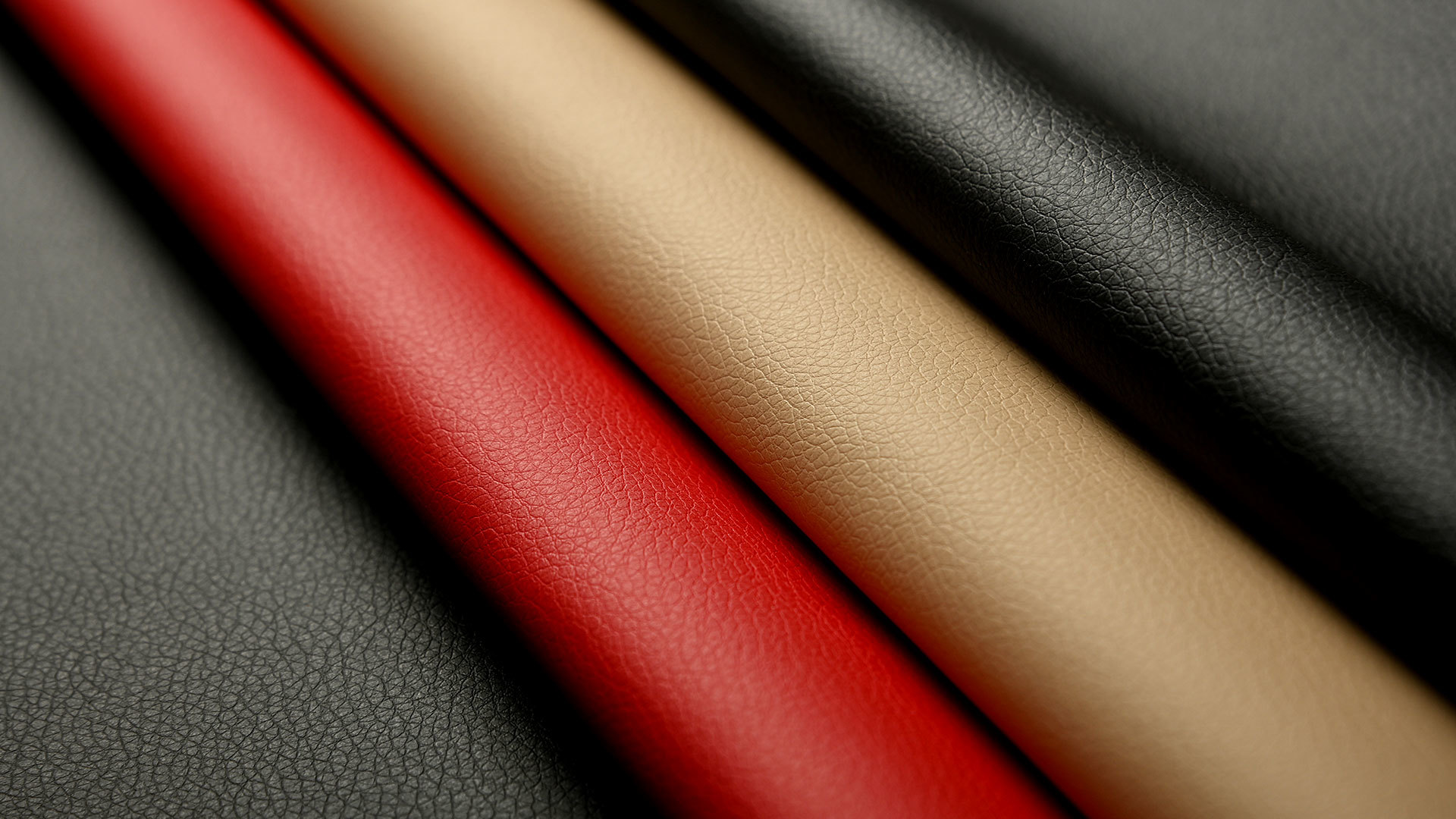
Leather Dyes Specialized Manufacturer
Ltd. is an acid dyes, direct dyes, leather dyes, feed additives and other chemical raw materials manufacturers, products are mainly used in leather, wool, tweed, silk, paper, wood, metal and other industry sectors.
What are the factors affecting the dyeing of acidic dyes? What are the precautions?
Acidic dyes are dyes that contain acidic groups (also known as anionic dyes) in their molecular structure, which combine with the amino groups of protein fiber molecules through ionic bonding, suitable for acidic, weakly acidic, or neutral conditions. Dyes and colors usually have color themselves, and are compounds that vividly and firmly color other substances in molecular or dispersed states.
Acidic dyes not only directly affect dyeing through the composition, chemical properties, and physical state of protein fibers, fibers, and the dyes themselves, but external conditions such as the pH value of the dye solution, temperature, and the addition of electrolytes also have a direct impact.

(1) Acidic DyespH value of the dye
With a low pH value of the solution, wool carries a positive charge, and there are many opportunities for wool to combine inorganic anions (chloride ions or sulfate ions) with dye anions, making it easy to get dyed.
Therefore, adjusting the pH value of the dye solution can also adjust the amount and speed of dye adsorption by wool. Adding acid during the process can increase the concentration of hydrogen ions in the salt bath, and it can be added multiple times to achieve uniformity.
(b) Adding Electrolytes
The role of adding electrolytes when dyeing wool is related to the pH value of the salt bath. That is to say, when the pH value of the salt bath is lower than the isoelectric point of wool, wool and dye combine in a salt-like manner, and the electrolyte plays a role in completing the salt. When the pH value of the salt bath is higher than the isoelectric point of wool, wool and dye combine through hydrogen bonds and van der Waals forces, and the electrolyte plays a promoting role.
(3) Temperature
The relative molecular mass of acidic dyes is approximately between 300 and 800. The scale layer of wool has a significant impact on the diffusion of dyes, so dyeing requires boiling and extended time. To prevent uneven dyeing, the initial dyeing temperature should be low, and then gradually increased to boiling heat. Adjusting is very important for uniformity.
II. Precautions
1. Careful Selection of Dyes
Metal complex dyes containing copper, chromium, and nickel are dyes that are pre-manufactured with specific structures and metal complex non-metallic compounds. The EU regulations state that for various metal complex dyes used for fiber dyeing, the discharge of dyeing liquid into wastewater treatment must not be less than 7%. Therefore, the selected dyes need to have a certain purity.
2. Water Usage
The hardness of water used for acidic dyes is best at 100-150 mg/kg. If the water quality is hard, 0.5-2 S/L chelating agents can be added to improve water quality and ensure dyeing. However, chelating agents such as phosphates and surfactants can damage the comprehensive effect of the dye itself to varying degrees, affecting color clarity and color fastness.
3. Chemical Preparation Methods
The solubility of acidic complex dyes is inconsistent, so the dissolving materials should be treated differently. Generally, a paste is first made with cold water, and then diluted and dissolved with hot water or boiling water.
Commercial dyes often contain fillers that are difficult to dissolve, so if necessary, they should be boiled and mixed until they dissolve well, and finally slowly injected into the body to prevent the formation of color spots.
Latest developments
Dezhou Jinmao Chemical Co., Ltd.
Address: 1922 Yingbin Street, Lingcheng District, Dezhou City, Shandong Province, China
WhatsApp:

Focus on GLIDE