

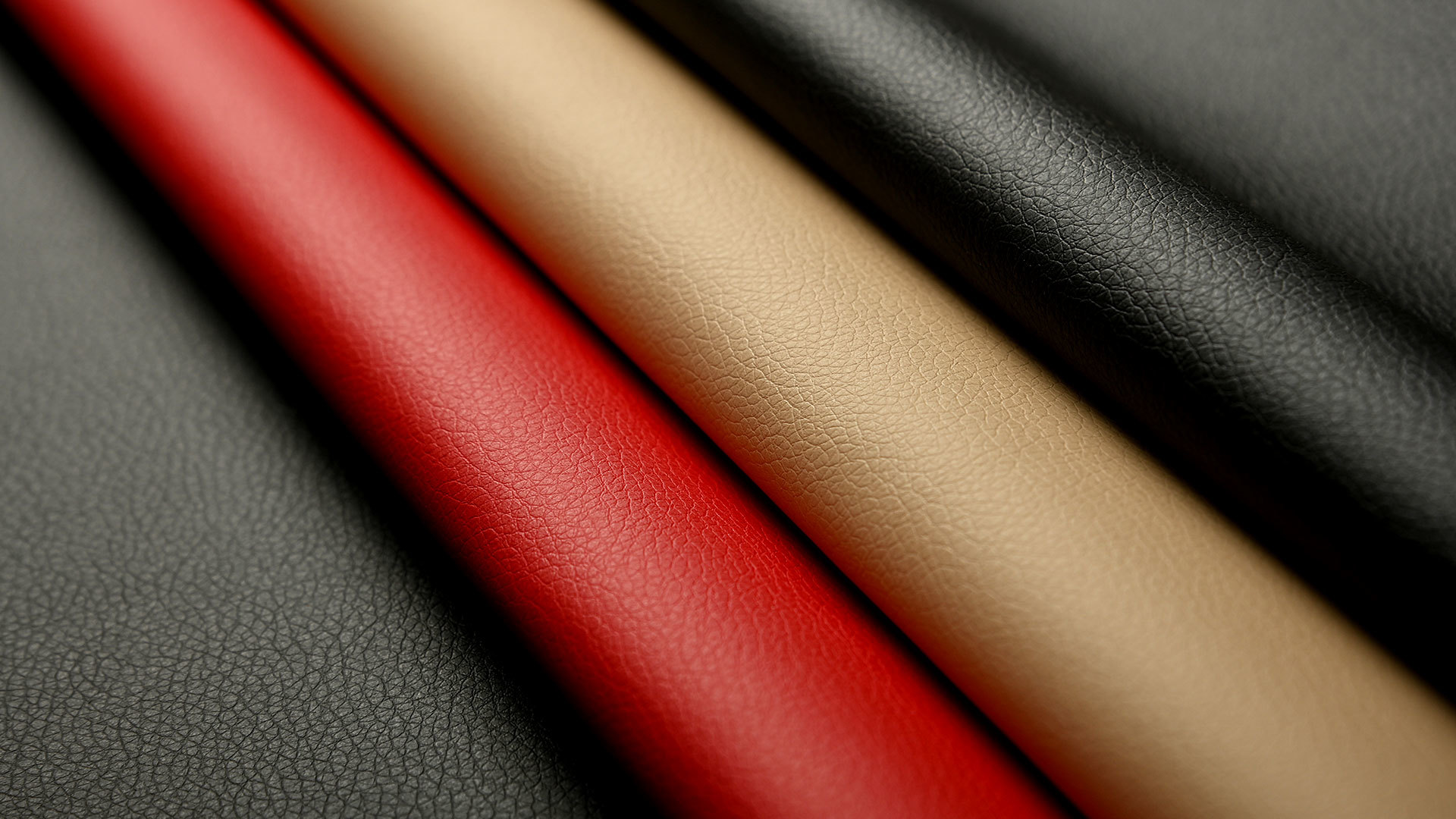
Leather Dyes Specialized Manufacturer
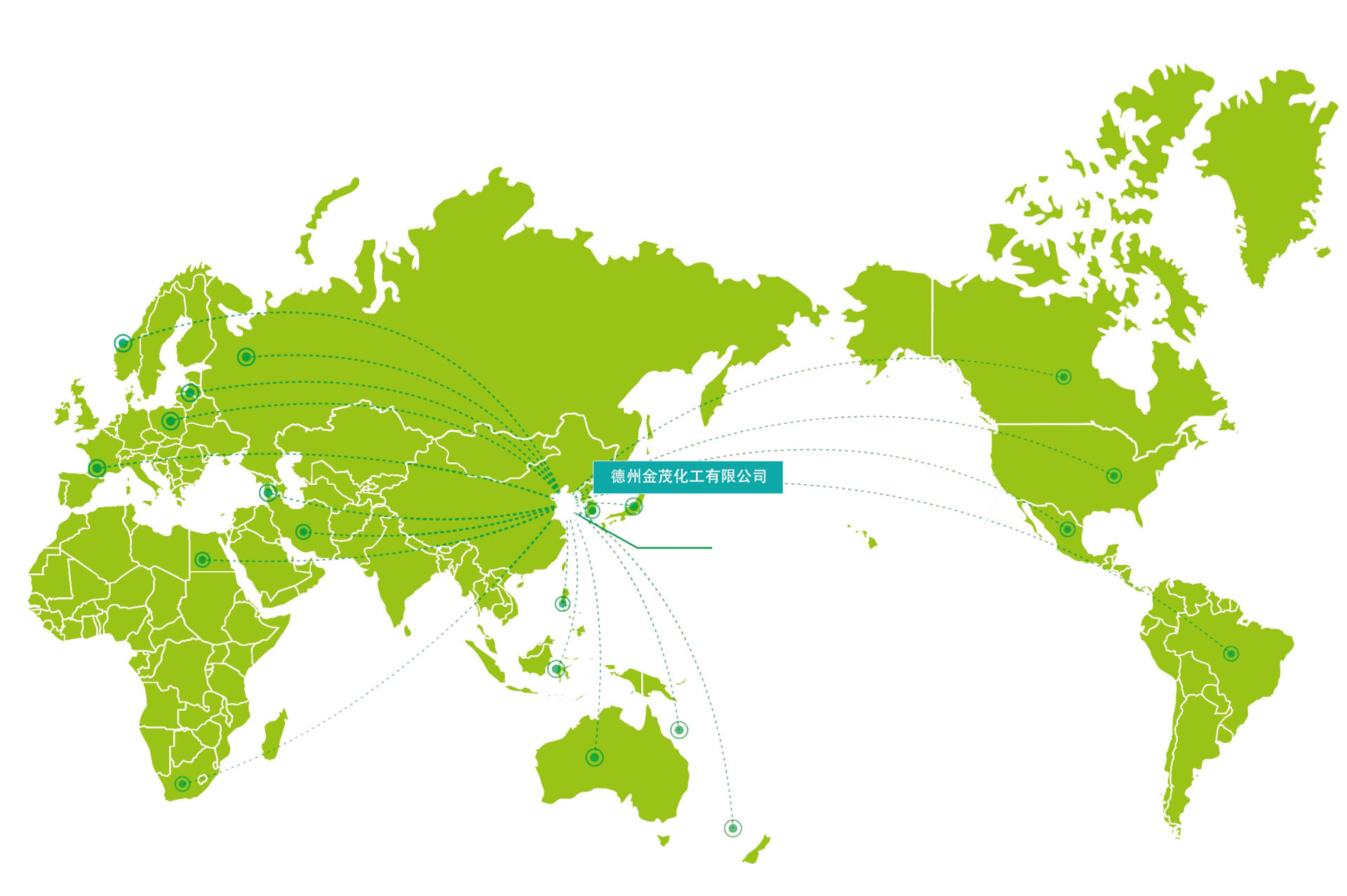
Ltd. is an acid dyes, direct dyes, leather dyes, feed additives and other chemical raw materials manufacturers, products are mainly used in leather, wool, tweed, silk, paper, wood, metal and other industry sectors.
Leather Dyes: Basic Concepts and Classification of Acid Dyes
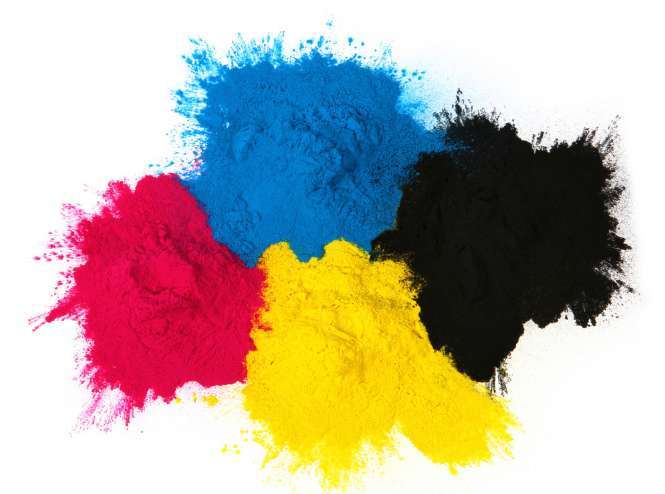
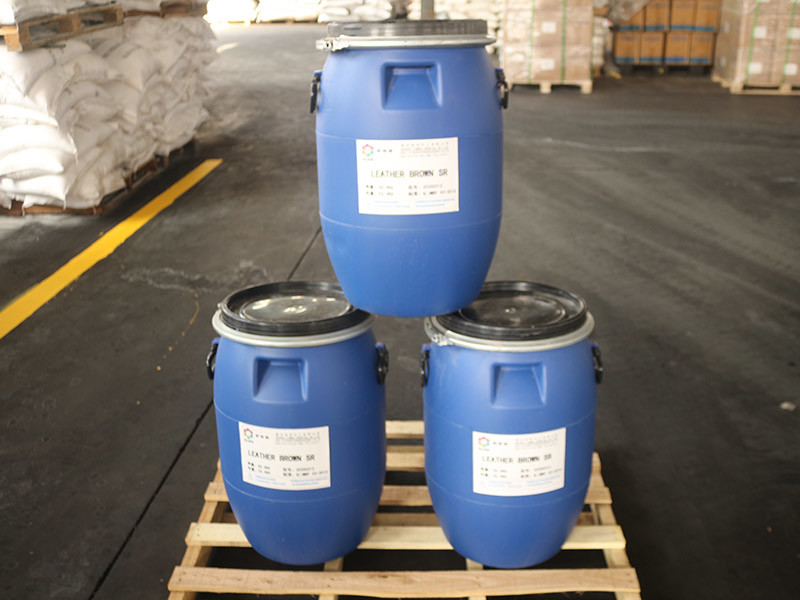
Texas Jinmao Chemical Co., Ltd. is a manufacturer of acid dyes, leather dyes, feed additives, gamma-aminobutyric acid, additives, dyeing, disinfectants, and disinfectant products. Acid dyes and leather dye products are mainly used in the leather, wool, felt, silk, and papermaking industries. Gamma-aminobutyric acid products are mainly used as feed additives for pigs, poultry, cattle, and fish shrimp. Jinmao Chemical introduces advanced production processes and testing equipment from international peers, dedicated to the research, development, and production of acid dyes, leather dyes, weak acid dyes, neutral dyes, and direct dyes. There are over eighty varieties of various dyes, with a complete color spectrum. Jinmao Chemical actively develops feed additives such as gamma-aminobutyric acid and dihydropyridine, leveraging its advantages to promote a brand innovation development path that prioritizes environmental protection and is supported by technology. The company's decision-making is based on a long-term vision, establishing standardized operating procedures and promoting standardized and institutionalized work.
1. Fundamental Concept of Leather Dyes
The artificial use of appropriate methods to dye other fibrous materials into bright and durable colors is called dyeing. Dyes used for dyeing protein leather fibers are also known as leather dyes. Leather dyes are easily soluble in water and, under acidic conditions, interact with leather fibers to achieve absorption, fixation, and coloring, a process known as dyeing. Leather dyes not only require vibrant colors but also need to have good "affinity" for leather fibers and various durability functions, such as lightfastness, washfastness, dry and wet rubbing fastness, light resistance, sweat resistance, and other professional indicators for leather dyeing.
Classification of Leather Dyes
1. Economic Leather Dyes
Currently, the acid dyes and direct dyes in the domestic market are single azo dyes with bright colors, but the dyeing fastness on leather is relatively poor, and they are inexpensive. The so-called acid black and direct black in the leather dye market belong to economic leather dyes.
1. Acid Dyes
Acid dyes refer to anionic dyes that dye leather fibers in an acidic bath. They can be divided into strong acid dyes and weak acid dyes based on their dyeing properties and application methods. Strong acid dyes have a simple structure, small organic molecular structure, and a high proportion of sulfonic acid groups. In dyeing, the dye mainly exists in ionic form, and during dyeing, it needs to be well colored in a relatively strong acidic medium, making it suitable for dyeing leather fibers.
Properties of Acid Dyes:
<1> Acid dyes contain sulfonic acid groups (-SO3H) and a few contain carboxylic acid groups (-COOH). Their commercial form is sodium salt, which has good solubility in water and can also dissolve in alcohol.
<2> Acid dyes will undergo color changes when encountering metal ions such as calcium, magnesium, lead, copper, and iron.
<3> The chemical structure of acid dyes mainly consists of 50% single azo structure and 20% triarylmethane structure. Most single azo structure acid dyes are yellow, orange, or red, such as Acid Orange II, Acid Red 3R, and Acid Yellow G. The double azo structure is mostly blue, brown, or black, such as Acid Black ATT and Acid Black 10B. Anthraquinone structure types are mostly blue or green.
<4> Acid dyes have a strong "affinity" for protein leather fibers, allowing them to be quickly absorbed by the leather fibers and gradually diffuse into the interior of the fibers. The ability to fix on the leather fibers is referred to as the dye's "affinity."
<5> When strong acid dyes are used for dyeing leather, they penetrate quickly and have bright colors, but their wet processing fastness is poor. Indicators such as washfastness and dry/wet rubbing fastness are relatively low. The production process is simple, and the product price is low, making it a sunset product in the leather dye market.
Latest developments
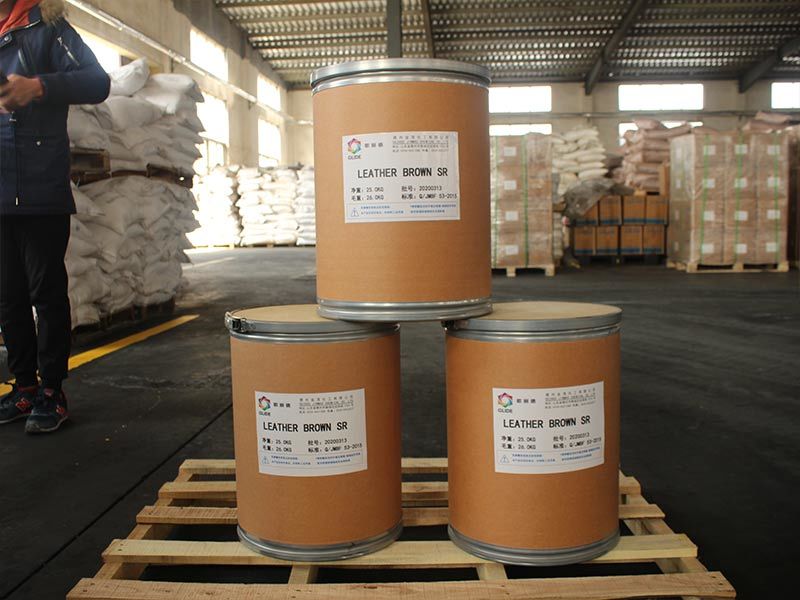
Dezhou Jinmao Chemical Co., Ltd.
Address: 1922 Yingbin Street, Lingcheng District, Dezhou City, Shandong Province, China
WhatsApp:

Focus on GLIDE