

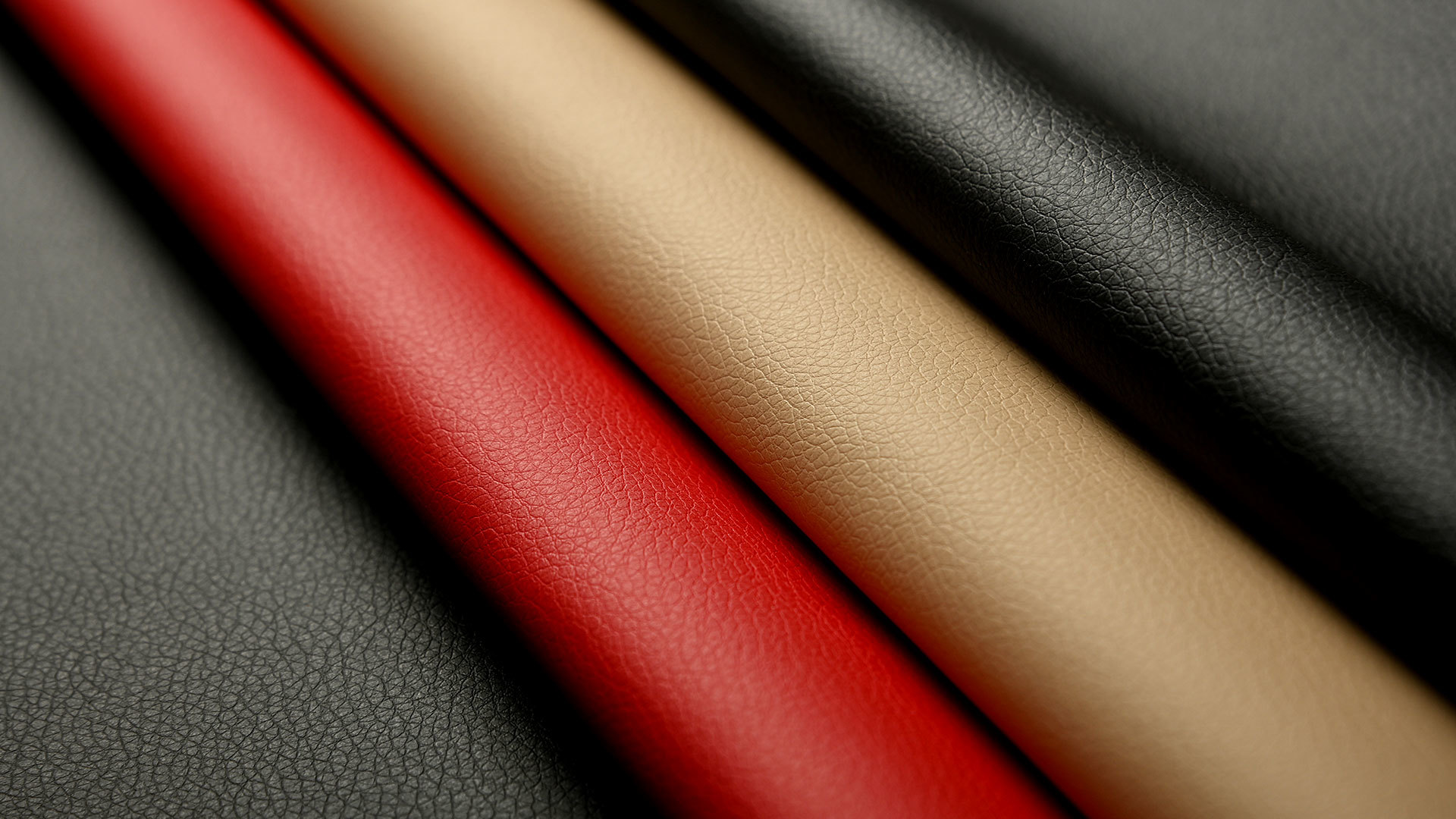
Leather Dyes Specialized Manufacturer
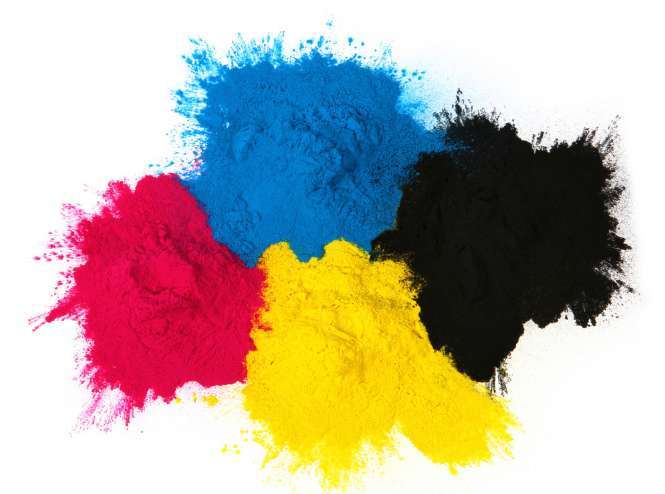
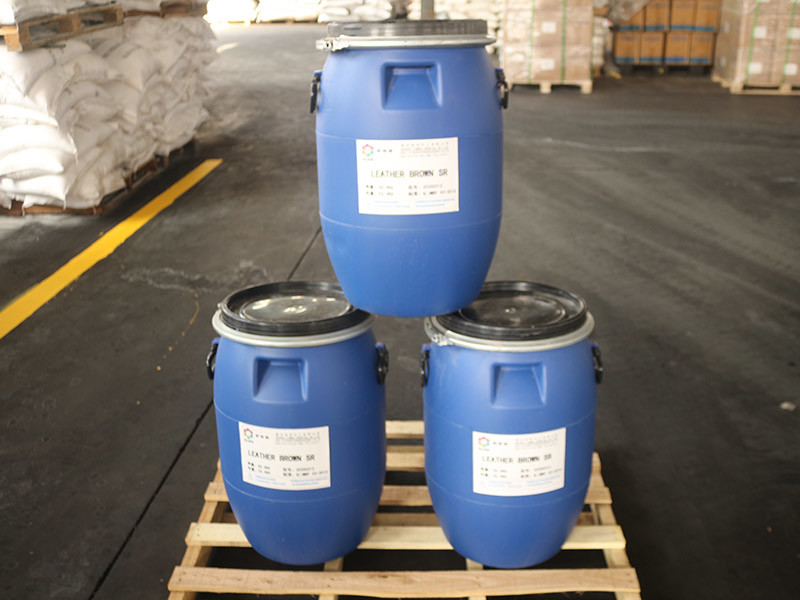
Ltd. is an acid dyes, direct dyes, leather dyes, feed additives and other chemical raw materials manufacturers, products are mainly used in leather, wool, tweed, silk, paper, wood, metal and other industry sectors.
What are the common household disinfectants produced by manufacturers of disinfectant products?
What are the commonly used medicinal disinfection methods for household disinfection products produced by disinfection product manufacturers? What disinfection products are generally needed?
(1) Alcohol produced by disinfection product manufacturers: Alcohol coagulates the proteins of bacteria. The alcohol concentration suitable for skin disinfection is 75%. The same concentration can also be used for soaking clamps, tweezers, and thermometers, soaking for about 30 minutes before use. The soaking solution should be changed twice a week and covered to prevent alcohol evaporation and ineffectiveness. 95% alcohol is used for acute applications with tweezers and clamps. Generally, alcohol below 70% cannot achieve disinfection and sterilization effects, while 50% alcohol can be used to apply to the skin of patients lying on the bed to prevent bedsores. It can also be used for cooling baths in case of high fever.
(2) Iodine produced by disinfection product manufacturers: Iodine has the effect of eliminating bacteria and killing fungi. For venipuncture, preoperative skin disinfection, and early skin inflammation, a concentration of 2% is appropriate. When using, first apply 2% iodine to the skin that needs disinfection, wait for 20 to 30 seconds, and then remove the iodine with 75% alcohol. A concentration that is too high can irritate the skin, and high concentrations of iodine can burn the skin. Therefore, iodine disinfection should not be used on mucous membranes such as the scrotum, eyes, mouth, and nose, as well as on young infants due to their fragile skin. Special care should be taken to avoid contact for those allergic to iodine.
(3) Disinfection method using vinegar produced by disinfection product manufacturers: Vinegar contains acetic acid and other components, which have certain antibacterial capabilities and can be used for indoor air disinfection. Generally, 100 to 150g of vinegar is placed in a ceramic bowl with double the amount of water and slowly steamed over low heat. When applying, close the doors and windows; this method is very effective in preventing respiratory infectious diseases.
(4) Iodine suppositories produced by disinfection product manufacturers have a wide sterilization range, low toxicity, and no irritation or corrosiveness, and have detergent properties. About 75% of medical enterprises know that it can be used for disinfection of skin, mucous membranes, and instruments, and can also be used for disinfecting food and fruits. Generally diluted 50-100 times, it appears light yellow and can be used for soaking utensils, clothing, fruits, etc. Diluted 25-50 times, it appears yellow and can be used for skin and mucous membrane disinfection (such as for children's baths, women's washing, etc.). Diluted 10-20 times, it appears deep yellow and is mainly used for soaking toilets, glass bowls, and toys that are not suitable for boiling disinfection, especially for patients with hepatitis and various infectious diseases.
Latest developments
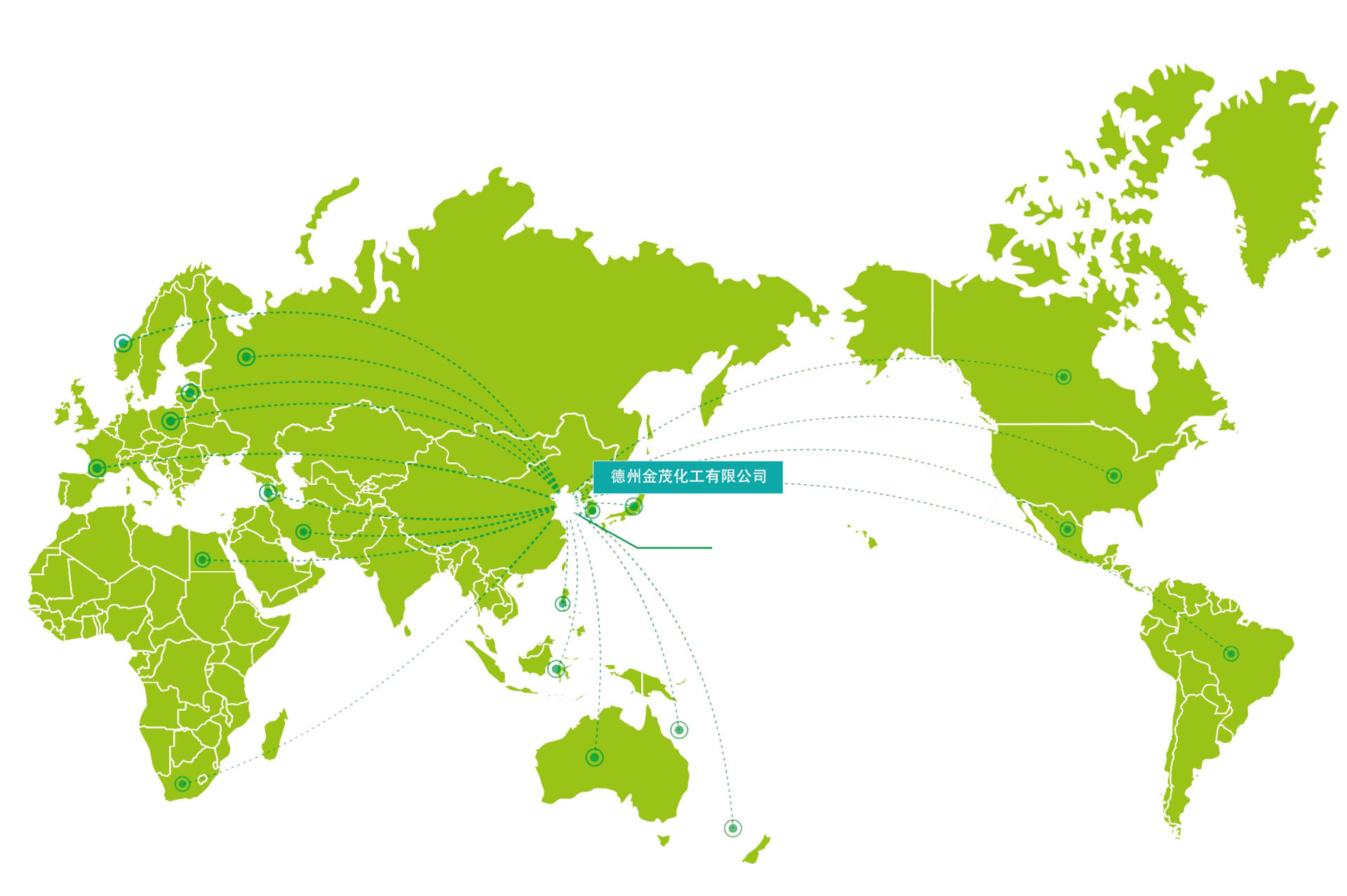
Dezhou Jinmao Chemical Co., Ltd.
Address: 1922 Yingbin Street, Lingcheng District, Dezhou City, Shandong Province, China
WhatsApp:

Focus on GLIDE