

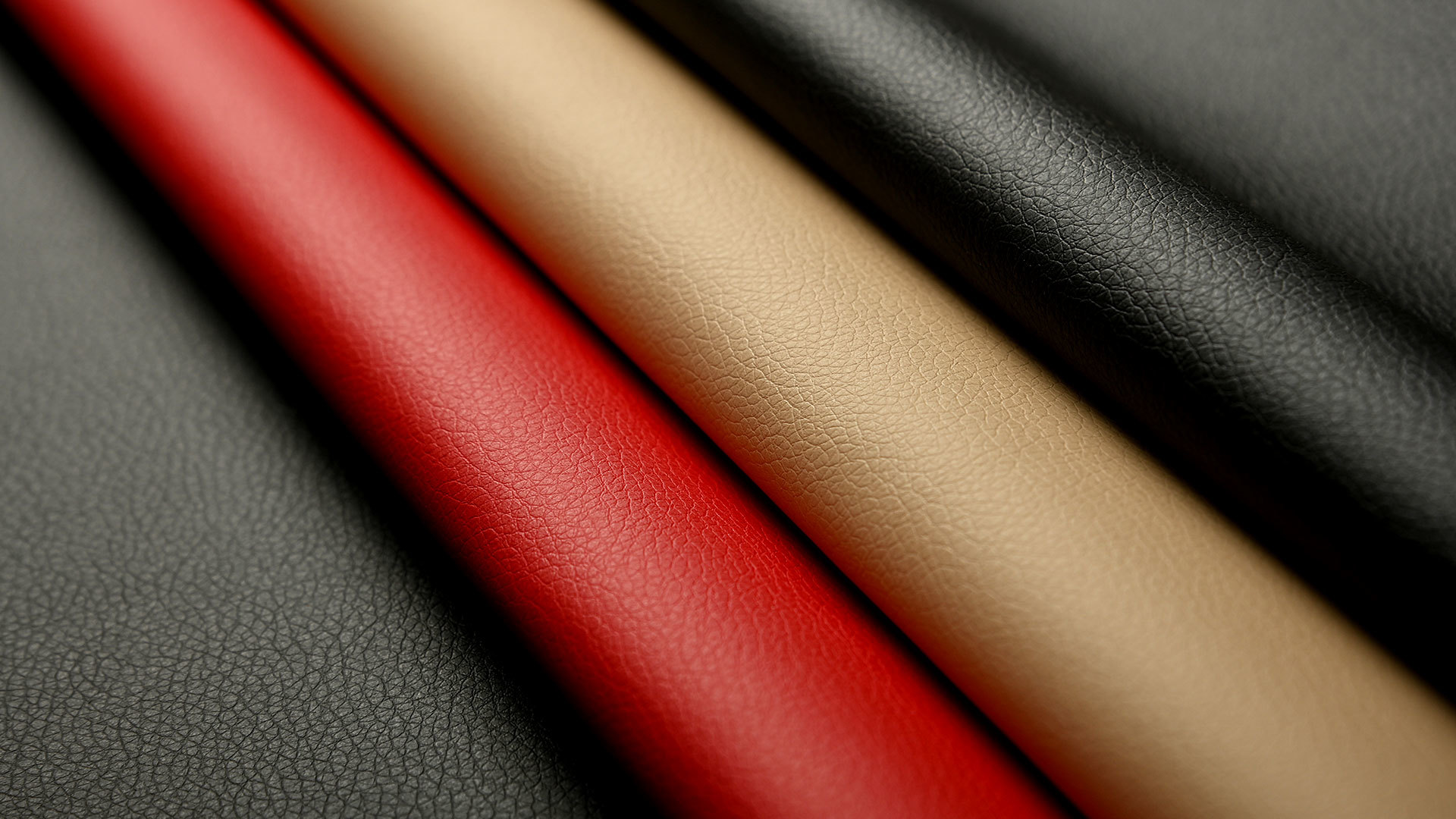
Leather Dyes Specialized Manufacturer
Ltd. is an acid dyes, direct dyes, leather dyes, feed additives and other chemical raw materials manufacturers, products are mainly used in leather, wool, tweed, silk, paper, wood, metal and other industry sectors.
Specializing in the research and development, production, manufacturing, and trade of high-end environmentally friendly dyes.
Specializing in the research and development, production, manufacturing, and trade of high-end environmentally friendly dyes.
Three major production synthesis workshops, with more than ten production lines, equipped with processes such as filter pressing, flash evaporation, drying, and post-processing.
Three major production synthesis workshops, with more than ten production lines, equipped with processes such as filter pressing, flash evaporation, drying, and post-processing.
The company has its own heating system and currently uses a unified heating supply for the park, with some equipment utilizing a natural gas drying system.
The company has its own heating system and currently uses a unified heating supply for the park, with some equipment utilizing a natural gas drying system.
Company testing equipment: equipped with imported ultraviolet spectrophotometer, computer colorimeter, comparative experiment drum, standard light source box, constant temperature and humidity test chamber, ultraviolet aging test chamber, wet and dry rubbing tester, and other supporting equipment.
Company testing equipment: equipped with imported ultraviolet spectrophotometer, computer colorimeter, comparative experiment drum, standard light source box, wet and dry wipe testing machine, and other supporting equipment.
Some relevant information about leather dyes?
The development prospects of the leather dye industry are very promising, as it brings numerous benefits to enterprises during use, making it highly favored by customers. To help everyone become more familiar with it, we will discuss some relevant information about leather dyes. We hope this can be of assistance to more people.
What are the advantages of leather dyes?
What are the advantages of leather dyes? What are their functions? I believe most friends are still not familiar with these questions. But don't worry too much, as this article will mainly discuss knowledge related to leather dyes. If you are also interested in this topic, then follow along with me as we explore it further. I hope that after reading, you will find it helpful when making your selections.
What are the cleaning methods for leather dye?
Leather dyes are widely used and are very popular in the market due to their various advantageous characteristics. However, there are many important points to understand when using them, as many users may not be familiar with these aspects. Next, I will introduce the cleaning methods for leather dyes. If you're interested, feel free to read on.
What are the characteristics of leather dyes? How to choose them?
What are the characteristics of leather dyes? How to choose them? Characteristics of leather dyes: 1. Good compatibility with various resins and good solubility. 2. The concentration of liquid dyes is 30-35%. 3. Stable for storage, and under normal conditions, there will be no dye precipitation. 4. Eco-friendly dyes that do not contain the 20 banned aromatic amines in Germany, making them safe to use.
How is leather dyeing done? Let's learn about it.
How is leather dyeing done? Let's take a look. Leather is a material found in nature, and each piece of leather has different thicknesses, textures, and fiber densities. Before the belt factory processes the belts, it needs to change the color of the belt products.
What are leather dyes like? What should be considered when choosing them?
What are leather dyes like? What should be considered when choosing them? Leather dyes, as the term suggests, are organic compounds that are used to dye other fiber materials into bright and durable colors through artificial methods. The dyes used for dyeing the protein fibers in leather are referred to as leather dyes. Most leather dyes are soluble in water and react with the fibers in leather under acidic conditions.
What are the characteristics of leather dyes?
Leather dye manufacturers believe that fiber-friendly leveling agents generally have smaller molecules, which move faster than dye molecules. Additionally, they are usually added to the dye bath before dyeing, allowing them to occupy the positions that dye molecules should occupy on the leather collagen fibers first.
Some common knowledge about leather dyes.
Leather dye manufacturers believe that commonly used leather dyes can be divided into two main categories: water-soluble dyes (such as dyes used for chrome tanning) and water-insoluble dyes. Common water-soluble dyes include cationic acid dyes, direct dyes, reactive dyes, cationic basic dyes, and sulfonated basic dyes, with acid dyes accounting for about 70%.
Some knowledge points about leather dyes.
Leather dye manufacturers believe that dyeing is an important process in the production of lightweight leather. Dyeing can give leather a variety of vibrant colors, increasing the range of colors to suit various uses. Leather dyeing not only requires bright and pure colors but also demands uniformity in color and high dye fastness.
What are the components of leather dyes? How is leather dyed?
What are the components of leather dyes? How do leather dyes color? To effectively use leather dyes in leather coloring, it is crucial to first understand the components of leather dyes. Knowing the ingredients in leather dyes is very beneficial for successfully achieving coloring goals and improving dyeing processes. This article will briefly introduce the components of leather dyes.
How is leather dyeing done? How should leather dyes be selected?
How is leather dyeing done? How should leather dyes be selected? Dyes are compounds that make leather transparent and hard. The physicochemical processes involved in leather dyeing, from the dye bath to adsorption on the leather surface, diffusion on the leather surface, and fixation within the leather, are closely related to the type of leather dye, the type of leather, and the neutrality of the leather.
How is leather dyeing carried out? What factors affect it?
How is leather dyeing done? What factors affect it? The method for dyeing leather with dyes is as follows: 1. One-step dyeing method: Before dyeing with leather dyes, this method involves preparing the dye by dissolving it in hot water, stirring it evenly, adjusting the bath temperature and water volume in the drum, and adding the dye solution through the shaft hole. After sufficient time, continue with post-treatment or fixing. This method has good uniformity.
What are the advantages of leather dyeing production technology?
Currently, most of the pigment-containing materials used in leather dyes and leather care in our country are anionic. After use, the surface of the leather becomes hard, like rubber, sealing the pores and reducing breathability. For example, leather can turn black, while synthetic leather does not achieve a mimicking effect after coloring. Suede and nubuck leather can only be cleaned and cannot be painted.
What is leather dye?
Leather dyes are dyes that have an affinity for leather, used to color leather. They can be divided into two categories based on the type of solvent: water-insoluble dyes and water-soluble dyes. Water-insoluble dyes include: sulfide dyes that dissolve in sulfide aqueous solutions; oil-soluble dyes that dissolve in fats; and alcohol-soluble dyes that dissolve in alcohols.
Knowledge about textile dyes used for pure cotton fabrics.
However, since viscose fibers are regenerated cellulose fibers, they have characteristics such as a loose structure, lower alkali resistance compared to cotton fibers, and sensitivity to acids. Therefore, dyeing with this type of dye requires differentiation in terms of processes and other aspects. Let's briefly introduce the dyeing and printing properties of commonly used dyes for kapok fabrics, and then let's learn about the knowledge of textile dyes used for pure cotton fabrics!
The Impact of Textile Dyes on Color Fastness
Textile dyes are agents used for coloring fabrics. According to the properties and application methods of textile dyes, they can be classified into acid dyes, cationic dyes, direct dyes, disperse dyes, azo dyes, reactive dyes, sulfur dyes, and reductive dyes. Different textile dyes have varying affinities for fibers, and different fibers determine the need to use appropriate dyes. Now, let's explore the impact of textile dyes on color fastness!
There are several dyeing methods for textile dyes.
Dyeing is generally divided into five stages: staple fiber dyeing, top dyeing, yarn dyeing, piece dyeing, and garment dyeing. Whether it is woven or knitted fabric, piece dyeing accounts for a significant proportion, while yarn dyeing is next and is often combined with other dyeing methods, presenting a rich and colorful fashion. Now, let's explore the various dyeing methods used in textile dyes!
A quick share: Understand green textile dyes in one minute.
The primary function of dyes is to color items. Textile dyes are generally used for dyeing textile products and can be categorized into natural and synthetic types, with synthetic dyes gradually becoming the focus of research and use. The structure and properties of different fuels vary, so in order to open up international markets and keep pace with their development, enterprises across the country are focusing on fuel innovation and development as their main research direction. Currently, the main research directions are centered on green textile dyes and new resource fuels, with reactivity and dispersion being the primary topics of research worldwide.
How does gamma-aminobutyric acid (GABA) help children grow taller?
Although 70% of height is determined by the genetic genes of the parents, the influence of postnatal conditions should not be overlooked. During the growth process, children's bodies are in a state of rapid development. At this time, if parents can intervene more, they can help their children grow taller. So, how can children grow taller, and how does gamma-aminobutyric acid (GABA) help them grow?
How to distinguish between textile auxiliaries and textile dyes?
As a dye, it needs to be able to adhere a certain color to the fiber, and it should not easily fall off or change color. Dyes are usually soluble in water, and some dyes require a mordant to help them adhere to the fibers. Today, the editor will teach everyone how to distinguish between textile auxiliaries and textile dyes.
What are textile dyes? A sharing of knowledge about textile dyes.
So far, the dye industry not only has dyes for textile coloring but also dyes specifically for biological and medical research. Today, the topic I want to share with you is textile dyes.
Methods to Overcome Insomnia and Anxiety - Gamma-Aminobutyric Acid (GABA)
Sleep, like air, food, and water, is a basic need for our survival. Most people spend more than one-third of their lives sleeping. Adequate sleep not only eliminates fatigue and restores energy but also enhances immunity, memory, and health. So, what is gamma-aminobutyric acid (GABA)?
What are the effects of gamma-aminobutyric acid (GABA)?
For many people, the name gamma-aminobutyric acid (GABA) sounds strange. It is a non-protein substance that exists in its pure natural form in both animals and plants. GABA has significant effects on the human body, such as: 1. Alleviating mental unrest caused by various reasons, improving poor mental health, reducing various psychological stress, and helping with sleep quality; 2. It also has detoxifying and hangover-relieving effects. Because it is a natural substance, it is also transformed by many into natural remedies like St. John's Wort and pure natural brain relaxants.
What is the function of gamma-aminobutyric acid?
Gamma-aminobutyric acid, abbreviated as GABA, is a compound that is an amino acid widely found in vertebrates, plants, and microorganisms. GABA is an important inhibitory neurotransmitter in the nervous system. It has good water solubility and thermal stability.
Overview of Metal Dyes
The main varieties of metal dyes are aluminum powder, copper powder, zinc powder, and stainless steel powder. Among them, aluminum powder is used the most, while copper powder is used less than aluminum powder and has slightly lower light reflection intensity compared to aluminum powder. Aluminum powder, zinc powder, and stainless steel powder all have anti-corrosive properties, and aluminum powder has good decorative qualities. Now, let's take a look at an overview of metal dyes!
The technology of metal dye application.
Although each type of metal dye contains many products of different hues, when applied to powder, the powder becomes vibrant and colorful, significantly enriching the variety and decorative quality of powder coatings. Metal dyes are primarily used in industries such as outdoor metal furniture, lighting fixtures, crafts, range hoods, baby strollers, and sports equipment. Now, let's explore the technology behind the application of metal dyes!
What are feed additives? What are their functions?
Feed additives are small or trace substances added during the production, processing, and use of feed. Although the amount of feed used is small, the effects are significant. They are essential raw materials in modern feed industry, with clear effects on enhancing the nutritional value of basic feed, improving animal production performance, ensuring animal health, saving feed costs, and improving the quality of animal products.
What are the main functions of feed additives?
Feed additives are substances added to poultry feed to protect the nutrition and palatability of the feed, as well as to enhance the immunity of the poultry. Currently, an increasing number of feeds are supplemented with additives, which strengthen the appetite of livestock and ensure their safe growth. So, what is the role of feed additives? Let's take a look!
What are feed additives and what are their functions?
Since the 1950s, reports have indicated that adding certain antibiotics to feed promotes growth, and antibiotics have been widely used as growth promoters in feed. However, the long-term use of antibiotics has led to serious consequences, such as resistance, drug residues, and a decline in the quality of livestock products. The emergence of probiotics has addressed the potential hazards of antibiotics, but for various reasons, the effectiveness of probiotics is very unstable. Therefore, efforts have begun to develop safe and green feed additives that can replace antibiotics.
Texas Jinmao Chemical Co., Ltd. Hazardous Waste Environmental Protection Information
A highly efficient and labor-saving textile dye mixing equipment.
Textile dyes refer to organic compounds that can impart bright and durable colors to other materials. Since the pigments used today are all synthetically produced, they are also called synthetic dyes. Currently, in the textile printing and dyeing process, dyes need to be mixed and matched.
A more efficient textile dye processing device.
There is a type of textile dyeing processing device on the market that dyes fabrics through a multi-stage roller mechanism, but it has certain defects. It cannot ensure the uniformity of the dyeing liquid on the fabric. In particular, when the fabric is coated by a single cylindrical roller surface, the contact between the roller surface and the fabric is only a linear contact point, which often leads to insufficient coating.
How is leather dye mixed?
The color mixing process of leather dyes generally uses the basic principle of the color triangle for mixing colors: when dyeing leather, using a single dye often cannot achieve the desired color, so several pigments need to be selected and mixed. For example, mixing the red and blue parts of the spectrum can yield purple. The color after mixing pigments is determined by the combined light reflected from various color pigments.
What is the difference between textile auxiliaries and textile dyes?
Textile dyes are dyes used for textiles, most of which are plant extracts, such as plant fruits and tree saps, as well as natural chemical extracts like coal tar. Textile dyes are divided into natural dyes and synthetic dyes, with the majority being synthetic dyes available in the market.
What is the impact of textile dyes on color fastness?
Textile dyes are dyes used for coloring textiles. Depending on the properties and methods of use, they can be classified into reducing dyes, sulfur dyes, reactive dyes, azo dyes, acid dyes, cationic dyes, direct dyes, and disperse dyes.
Types and Uses of Feed Additives.
Types and Uses of Feed Additives: 1. Supplementing Balanced Nutrition: This includes amino acids, vitamins, trace minerals, and non-protein nitrogen compounds. 2. Health and Growth Promoters: These feed additives have functions such as antibacterial disease prevention, deworming, promoting the utilization of feed nutrients, enhancing animal growth, and improving egg and milk production. This category includes antibiotics, synthetic antibacterial drugs, and dewormers.
A Brief Analysis of the Impact of Textile Dyes on Color Fastness
Textile dyes are dyes used for coloring textiles. They can be classified into acid, cationic, direct, disperse, azo, reactive, sulfur, and reductive dyes based on their properties and application methods. Different dyes have varying affinities for different fibers, which also determines that different fibers require corresponding dyes.
What are textile dyes? Here’s a little knowledge sharing about textile dyes!
Textile dyes are coloring agents used for dyeing textiles. They mainly consist of plant extracts such as fruits and juices, and also include extracts from natural chemical substances like coal tar. Textile dyes have good coloring properties, are not easily faded, and do not lose color easily when washed. After dyeing, the fabric's hand feel does not change significantly, and it does not become stiff. However, the color saturation is lower than that of acrylic dyes. So, how are textile dyes manufactured?
Basic Knowledge of Acid Dyes
The acidic groups in acidic dyes are generally sulfonic acid groups (-SO3H), which exist in the dye molecules in the form of sodium sulfonate (-SO3Na). Some dyes also use sodium carboxylate (-COONa) as the acidic group. They are characterized by good water solubility, bright colors, a complete range of colors, a simpler molecular structure compared to other dyes, and the absence of long conjugated coherent systems in the dye molecules, resulting in lower directness of the dyes.
Introduction to Feed Additives
Feed additives refer to substances that are added in small or trace amounts during the production, processing, and use of feed. Although they are present in low quantities in the feed, their effects are significant. Feed additives are an indispensable raw material in modern feed industry. They play a notable role in enhancing the nutritional value of basic feed, improving animal production performance, ensuring animal health, saving feed costs, and improving the quality of animal products.
Characteristics of Acid Dyes
Acid Dyes are a class of water-soluble dyes that contain acidic groups in their structure. They are used for dyeing in acidic media. Most acid dyes contain sodium sulfonate, which makes them soluble in water. They are characterized by bright colors and a complete color spectrum.
Introduction to Feed Additives
Feed additives refer to small or trace substances added during the production and processing of feed. Although used in minimal amounts, they have significant effects. Feed additives are essential raw materials in modern feed industry. They enhance the nutritional value of basic feed, improve animal production performance, ensure animal health, save feed costs, and have a noticeable impact on the quality of animal products.
Introduction to Acid Dyes
Acid dyes refer to dyes that contain acidic groups in their molecular structure, also known as anionic dyes. They can bond with the amino groups in protein fiber molecules through ionic bonds and are suitable for use under acidic, weakly acidic, or neutral conditions. They mainly consist of azo and anthraquinone structures, with a few being aromatic methane structures. Dyes and colors are generally compounds that have their own color and can impart vivid and durable hues to other substances in either molecular or dispersed states.
Introduction to the Classification of Leather Dyes and Acid Dyes
Introduction to the Classification of Leather Dyes and Acid Dyes
Classification of Acid Dyes
Acid dyes. The earliest developed acid dyes required dyeing in a strongly acidic dye bath. Their molecular structure is simple, with low molecular weight, and they contain sulfonic or carboxyl groups, which have low affinity for wool. They can move evenly on wool, resulting in uniform dyeing, and are also known as acid leveling dyes. However, the colors are not deep, the wash fastness is poor, and they can be harmful to wool during dyeing, resulting in a poor hand feel after dyeing. An example is Acid Red G (C.I. Acid Red 1).
The definition of disinfectants refers to substances used to eliminate or reduce harmful microorganisms on surfaces or in the environment. Disinfectants are typically used in healthcare settings, households, and various industries to maintain hygiene and prevent the spread of infections. The classification of disinfectants can include: 1. **Chemical Disinfectants**: These are substances that chemically destroy or inactivate pathogens. They can be further divided into: - Alcohols (e.g., ethanol, isopropanol) - Chlorine compounds (e.g., bleach) - Quaternary ammonium compounds (quats) - Phenolic compounds - Hydrogen peroxide 2. **Physical Disinfectants**: These methods involve physical processes to eliminate microorganisms, such as: - Heat (e.g., autoclaving) - Ultraviolet (UV) light 3. **Biological Disinfectants**: These include products that use natural or engineered microorganisms to outcompete or destroy harmful pathogens. Each type of disinfectant has its specific applications, effectiveness, and safety considerations.
In our daily lives, we often need to use disinfectants to achieve the desired sterilization effect. Many situations today require the use of disinfectants, but many people are unaware of the specific types of disinfectants available, which can lead to reduced effectiveness. Therefore, it is important to understand more about disinfectants to better utilize their effectiveness. So, what is the definition of disinfectants? What are the classifications of disinfectants?
The three main features of biological feed additives.
The three main features of biological feed additives.
There are several types of medical disinfectants, each with specific uses: 1. **Alcohol-based disinfectants**: These typically contain isopropyl alcohol or ethanol and are effective against a wide range of bacteria and viruses. They are commonly used for hand sanitization and disinfecting surfaces. 2. **Chlorine-based disinfectants**: These include bleach solutions and are effective against bacteria, viruses, and fungi. They are often used for disinfecting surfaces in healthcare settings and for sterilizing medical equipment. 3. **Quaternary ammonium compounds (quats)**: These are used for disinfecting surfaces and equipment. They are effective against bacteria and some viruses but may not be as effective against spores. 4. **Hydrogen peroxide**: This is a strong oxidizing agent that can kill bacteria, viruses, and fungi. It is used for disinfecting surfaces and can also be used in some medical procedures. 5. **Phenolic compounds**: These are used for disinfecting surfaces in healthcare settings. They are effective against a wide range of pathogens but can be toxic if not used properly. 6. **Iodine-based disinfectants**: These are used for skin disinfection before surgical procedures and for disinfecting surfaces. They are effective against bacteria, viruses, and fungi. Each type of disinfectant has its own specific applications and effectiveness, and the choice of disinfectant depends on the type of pathogens being targeted and the surfaces being treated.
There are several types of medical disinfectants, each with specific uses: 1. **Alcohol-based disinfectants**: These typically contain isopropyl alcohol or ethanol and are used for skin disinfection and cleaning surfaces. They are effective against a wide range of bacteria and viruses. 2. **Chlorine compounds**: Commonly used in hospitals, these include sodium hypochlorite (bleach) and are effective against bacteria, viruses, and fungi. They are often used for disinfecting surfaces and equipment. 3. **Quaternary ammonium compounds (quats)**: These are used for disinfecting surfaces and are effective against bacteria and some viruses. They are often found in household disinfectants and wipes. 4. **Phenolic compounds**: These are used for disinfecting surfaces in healthcare settings and are effective against bacteria, viruses, and fungi. They are often used in surgical settings. 5. **Hydrogen peroxide**: This is used for disinfecting surfaces and medical equipment. It is effective against bacteria, viruses, and spores. 6. **Iodine-based disinfectants**: These are used for skin disinfection before surgeries and for cleaning wounds. They are effective against a broad spectrum of pathogens. Each type of disinfectant has specific instructions for use, including dilution ratios, contact time, and safety precautions.
How should disinfectants be used correctly during the pandemic?
The pandemic has continued until now, but good news keeps coming. Various provinces across the country have reported no new confirmed cases of COVID-19 for several consecutive days. However, it is crucial to maintain effective pandemic prevention measures, and the correct use of scientific disinfectants is very important. Today, I will share some tips on how to use disinfectants!
Factors Affecting the Disinfection Effectiveness of Disinfectant Products
Disinfection refers to methods that kill pathogenic microorganisms, but it does not necessarily kill bacterial spores. Chemical methods are commonly used to achieve disinfection. The chemicals used for disinfection are known as disinfectants. When disinfecting, it is important to consider factors that affect the disinfection effectiveness: the environment and the disinfection of livestock and poultry houses. First, organic pollutants such as feces must be cleaned, rinsed, and removed. The ceilings of the livestock and poultry houses should also be cleaned to remove dust and cobwebs, otherwise, it will affect the disinfection effectiveness. When disinfecting livestock and poultry, disinfectants with low irritation and low toxicity must be used. The nozzle should spray mist particles upwards, and the diameter of the mist particles should be controlled between 80 to 120 micrometers.
How long can activated chlorine-containing medical disinfectants be stored after opening?
How long can activated chlorine-containing medical disinfectants be stored after opening?
Precautions for Using Disinfectant Products
When using alcohol in indoor places, ensure proper ventilation and keep away from open flames. Used cleaning products, such as cloths, should be stored in sealed containers or dried in a centralized manner; before using alcohol, clear away flammable and explosive items nearby, and do not spray excessive amounts of flammable liquid alcohol disinfectant on live electrical devices such as sockets, switches, and appliances to avoid short circuits that could cause fires. Store away from light to prevent spillage and damage. When storing alcohol, avoid heat sources like balconies, and store it in a customized and measured manner in a separate storage cabinet.
What hazards can leather dyes pose to the body?
What harm can leather dyes cause to the body? With the significant improvement in living standards, everyone has certain preferences for their clothing style and color matching. Nowadays, the clothes and pants sold in the upper market all have their own styles and colors. These dark or light garments are dyed with a variety of dyes. Currently, there are regulations in China regarding the use of dyes in clothing. Now, let's discuss the harm that leather dyes can cause to the human body.
Do you all understand the classification of leather dyes?
Do you understand the classification of leather dyes? 1. Economic Leather Dyes Currently, the acid dyes and direct dyes available in the domestic market are all bright-colored monoazo dyes, but the dyeing fastness of leather is relatively poor, and the prices are low. The so-called acid black and direct black in the leather dye market are all economical leather dyes.
Types of Feed Additives and How to Use Them
Types of Feed Additives and How to Use Them
What is gamma-aminobutyric acid (GABA)? Why should we supplement GABA?
The pace of life in modern cities is constantly accelerating, and the rhythm of the times is ever-changing. Tension and stress fill our personal lives and work every day, compounded by irregularities, aging, declining metabolic capacity, and weakened self-care abilities, leading to a state of sub-health that has now become our label.
Dezhou Jinmao Chemical Co., Ltd.
Address: 1922 Yingbin Street, Lingcheng District, Dezhou City, Shandong Province, China
WhatsApp:

Focus on GLIDE